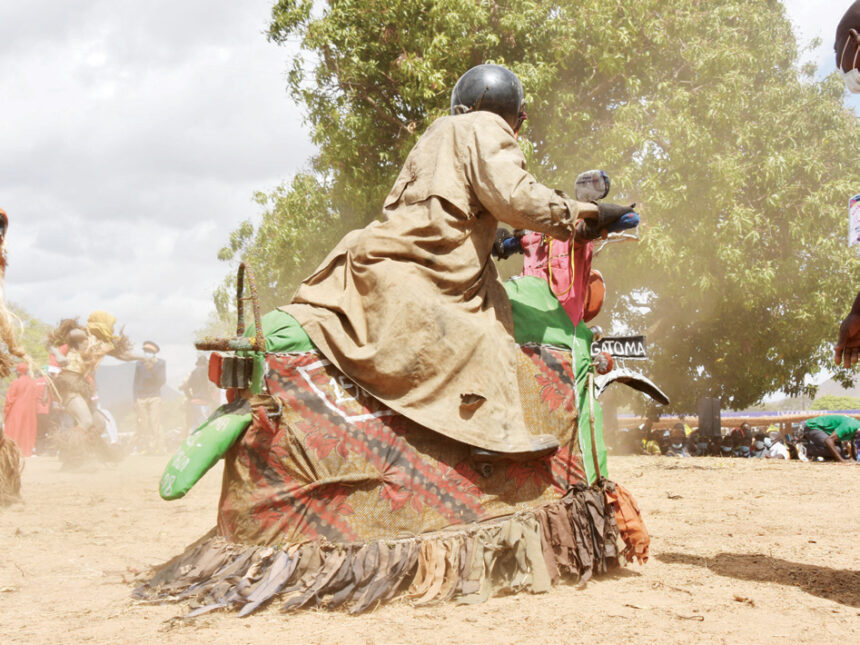
Gule Wamkulu, a sacred masked dance of the Chewa people, is set to come to the limelight following a new project that seeks to ensure proper interpretation in European museums.
A statement indicates that the project seeks to ensure the proper interpretation of Gule Wamkulu masks in European museums.
Project implementers seek to do so by engaging Chewa elders, Malawi heritage institutions and European curators.
The one-year initiative, which runs until March 2027, emerged from a collective recognition that Gule Wamkulu, an Intangible Cultural Heritage recognised by Unesco, continues to be misinterpreted, decontextualised or inadequately represented in collections.
Head of Cultural Heritage Research in the Department of Museums and Monuments Oris Malijani said yesterday that the project would provide narratives, redesign exhibition materials and develop educational programmes that respect the masks’ ritual significance.
- Advertisement -
Malijani said the project also comes in following the rich cultural traditions of the country in that they continue to receive international attention through renewed interest in Gule Wamkulu masks and dances of the Chewa people.
“We are excited to undertake this project, whose outcomes will include more culturally accurate displays, improved visitor understanding and stronger partnerships between Malawi and European museums,” he said.
Apart from Malijani, members who are part of the project include Aaron Khombe, Blessings Walawala and Yulia Fil, a researcher, facilitator and educator.
Malijani went on to say that the initiative would serve as a model for interpreting African ritual objects globally, aligning with Unesco’s mission to safeguard Intangible Cultural Heritage.
- Advertisement -
- Advertisement -
Recognised by Unesco as part of the Intangible Cultural Heritage of Humanity, Gule Wamkulu remains one of Africa’s most celebrated cultural expressions.
Gule Wamkulu, meaning The Great Dance, is traditionally performed by members of the Nyau secret society among the Chewa communities of Malawi, Mozambique and Zambia.
The performances combine energetic dances, drumming, songs and symbolic masks that represent spirits, ancestors and social characters.