By Wezzie Gausi:
In 2001, David Bagile from Group Village Headman Chikole’s area in Traditional Authority Katunga in Chikwawa District, started feeling pains in his gums and teeth
He took some painkillers but he found no relief.
So he went to a nearby health centre where medical staff also prescribed painkillers.
The drugs gave him some sleep, albeit only for a few days.
- Advertisement -
The pain returned and it was worse. One side of his face started to get swollen.
“I went back to the health centre where they referred me to Queen Elizabeth Central Hospital in Blantyre,” he said.
Doctors told him there was need for a surgery in that area of his gums. He waited on the queue for some time, looking forward to the operation as he hoped it would give him rest at last.
In 2003, he went under the knife.
- Advertisement -
- Advertisement -
Relief at last!
Return of nightmare
That went on for five years until 2008 when the problem resurfaced.
“It was on a Sunday. I was in church. I started bleeding on the side that I had been operated on.
“I was rushed to Queens. By that time, I had moved from Chikwawa and was staying in Blantyre for easy access to the hospital,” Bagile said.
An examination found that doctors had forgotten wool inside him during the 2003 surgery.
It was pulled out. But that did not pull his life back to normal. Actually, his situation worsened.
“After that operation, everything about my life changed. My face started to swell and I have been depending on painkillers,” he said.
It was recommended sometime back that he undergoes another surgery but the procedure keeps being postponed.
He claimed that his name was once put on the list of Malawians referred to India for help. But it was removed from the list. The Sunday Times has not been able to verify this claim.
Paralysing malaria treatment
For Joseph Kadzakumanja, his story is about his leg.
Kadzakumanja who hails from Kapiza Village in Traditional Authority Mkukula in Dowa District used to earn a living growing tobacco and other cash crops.
That was until 2018 when sickness struck him.
Feeling body pains one day, he went to Dowa hospital where a diagnosis found that he had cerebral malaria. He was admitted.
“I started receiving medication but my condition got worse. One day while on admission, I got an injection. This injection brought nightmares to me. I started to experience numbness of my leg up until it got worse,” Kadzakumanja said.
Today, he can’t walk.
“I believe I am in this state because of the injection,” he said, adding “Now I live a life of misery. My situation keeps on getting bad.
“I have no one to take care of me and I need to look for transportation now and again to go to KCH [Kamuzu Central Hospital] for attention which is a huge cost to my life.”
To blame practitioners or not?
We sought comment from the Medical Council of Malawi (MCM), Malawi Health Equity Network (Mhen) and the Ministry of Health itself.
MCM Registrar Davie Zolowere said their statistics indicate that in 45 percent of complaints, there is no evidence of wrongdoing on the part of health personnel.
But he said it is imperative for people to report concerns to health regulators such as MCM for investigation before assigning blame to practitioners.
He said these investigations play a crucial role in identifying the root causes, whether they are related to practitioner issues, resource limitations, management challenges, or systemic issues.
“All practitioners, upon entering the profession, pledge to uphold the Hippocratic Oath, committing to always act for the benefit of the sick and protect them.
“While the unfortunate incident of forgetting wool in the patient’s mouth during surgery is regrettable, it is not unprecedented in healthcare, though it should not occur.
“Health practitioners may unintentionally leave textile materials or instruments behind during complex, prolonged, or emergency surgeries,” Zolowere said.
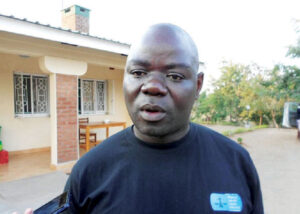
George Jobe, Mhen’s Executive Director said it is sad that people continue to face numerous challenges at the hands of practitioners.
He called on the Ministry of Health to start paying serious attention to the complaints that people raise concerning health service delivery.
“Let the Ministry of Health be accountable on some of the issues that come from these public hospitals. This should trickle down to bodies such Nurses and Midwifery Council of Malawi and Medical Council of Malawi in ensuring that patients receive proper healthcare services.
“We also advise patients to report some of these things to relevant authorities including hospital ombudsman to get the help they need,” Jobe said.
Secretary for Health Samson Mndolo also emphasized on the importance of those affected raising their concerns with the right authorities such as the hospitals themselves.