The Food and Agriculture Organisation of the United Nations defines food security as a situation when all people, at all times, have physical, social and economic access to sufficient, safe and nutritious food that meets their dietary needs and food preferences for an active and healthy life. Food security is critical for overall human health and well-being; as such, it is a key focus of governments, organisations and communities around the world. It has four interrelated elements, which are availability, access, utilisation and stability.
Food security is not only critical on individual well-being but also on economic stability and development. Therefore, in view of the key elements of availability, access, utilisation and stability, food security is deeply affected by disasters, thus both natural and man-made. The interplay between disasters and food security is complex and multifaceted, demonstrating how disasters can disrupt the intricate systems that support food availability and access, ultimately threatening nutritional health and economic stability.
Therefore, disasters negatively impact on food security through disruption of food production and supply chains, economic impact, damage to infrastructure, displacement of people, loss of livelihoods and health nutrition, among others.
One of the most immediate impacts of disasters on food security is the disruption of food production. Natural disasters such as tropical cyclones, floods, droughts and earthquakes can cause extensive damage to agricultural land, crops and livestock. For instance, hurricanes can flood fields and wash away topsoil while droughts can devastate crops by depriving them of necessary water. Similarly, earthquakes can damage irrigation systems and agricultural infrastructure, making it difficult for farmers to produce food. The loss of crops and livestock not only reduces the immediate food supply but can also affect future production cycles, leading to prolonged periods of scarcity and increased food prices.
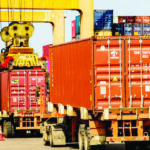
Disasters often disrupt supply chains, which are crucial for the distribution of food from producers to consumers. Transportation infrastructure, including roads, bridges and ports, may be damaged or destroyed, hampering the movement of goods. For instance, a major flood can render roads impassable, preventing food from reaching markets and consumers. This disruption can lead to localised shortages and price spikes, as the supply of food becomes limited.
- Advertisement -
The economic consequences of disasters can significantly affect food security. Disasters often result in substantial economic losses, which can reduce household incomes and purchasing power. For example, a natural disaster that destroys homes and businesses will likely lead to job losses and reduced income for affected families. When people have less money to spend, their ability to purchase food is compromised, increasing their vulnerability to food insecurity. Additionally, costs associated with disaster recovery can divert resources away from food security programmes and services, exacerbating the problem.
The destruction of infrastructure during a disaster can have a long-lasting impact on food security. Essential infrastructure such as storage facilities, markets and processing plants are often damaged or destroyed. Without proper storage, food can spoil quickly, leading to increased waste and decreased availability. The loss of markets and processing plants further complicates food distribution and access. Rebuilding this infrastructure is crucial for restoring food security, but it requires significant investment and time, during which food insecurity can persist.
Disasters, particularly conflicts and large-scale natural events, can lead to the displacement of populations. Refugees and internally displaced persons often face severe challenges in accessing food. Camps and temporary shelters may not have sufficient resources to provide adequate nutrition, and displaced individuals may have limited means to purchase food. The resulting overcrowding and strain on resources can lead to malnutrition and health problems, further exacerbating food insecurity.
The loss of livelihoods due to disasters can be devastating for communities that are dependent on agriculture and related industries. Farmers and fishers who lose productive assets such as land, equipment or livestock often struggle to recover. Without alternative sources of income, these individuals and families face significant challenges in obtaining food. Recovery efforts must, therefore, include support for rebuilding livelihoods to ensure that affected populations can regain their food security over time.
- Advertisement -
- Advertisement -
In terms of impacts on health, disasters lead to compromised sanitation and access to clean water, increasing the risk of diseases that can affect nutritional health. Malnutrition can become a severe issue, especially among vulnerable groups such as children, the elderly and those with pre-existing health conditions. Inadequate nutrition can weaken immune systems and exacerbate the effects of diseases, creating a vicious cycle of health problems and food insecurity.
In summary, disasters have profound and far-reaching impacts on food security. They disrupt food production, supply chains and infrastructure, and can lead to economic hardship, displacement and loss of livelihoods. Addressing these impacts requires a comprehensive approach that includes immediate emergency assistance, long-term recovery efforts and strategies to build resilience in food systems.