




The sun is slowly drifting down beyond the hills on the western side of Nsanje District’s border with Mozambique, casting a fiery light over a school and villages near the western banks of the Shire River.
Normally swollen and turbulent during the rainy season, the giant watercourse remains calm, almost as if it senses the unfolding crisis near its banks.
For days, weary families have been crossing it into Malawi, fleeing violence in Mozambique.
Desperate and clutching whatever belongings they could salvage, they are filled with fear but determined to find safety.
The conflict in Mozambique has torn apart thousands of lives, forcing many to seek refuge in Malawi, particularly in the southernmost district of Nsanje.
- Advertisement -
“I lived a simple, peaceful life with my wife and children. We worked our land, cared for our animals and celebrated our community’s traditions.
“But everything changed when the violence escalated. One day, the peace we had known was shattered,” Mozambican Ben Malunga says.
His village was destroyed in an attack and they fled with only the clothes on their backs.
Mozambique’s streets have descended into chaos and survival has become a daily struggle.
- Advertisement -
- Advertisement -
The violence that has displaced thousands stems from recent elections.
The opposition rejected the results, claiming electoral fraud, voter manipulation, ballot-stuffing and the exclusion of their observers from polling stations.
“I did my best to keep my family together, guiding them through dangerous paths and avoiding threats.
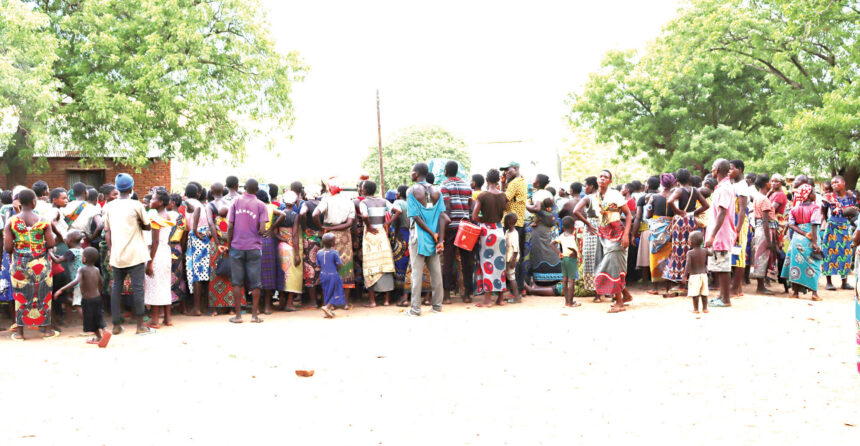
“When we crossed into Malawi, we felt a sense of calm wash over us,” Malunga says at Nyamithuthu Primary School, where many of the displaced Mozambicans have settled.
Nsanje District Council is consolidating the growing number of Mozambicans — nearly 3,000 families as of December 30, 2024—into one large camp.
The move aims to streamline the management of resources, security and humanitarian services.
“The goal is to create a more organised and secure environment to ensure that the Mozambicans are properly supported and monitored.
“By bringing everyone into one camp, we can better allocate resources and offer more targeted assistance,” District Commissioner Dominic Mwandira explains.
The majority of the displaced are women and children, the most vulnerable in a crisis that has stretched both government and humanitarian aid resources to their limits.
In the camps, children play with makeshift toys, while women queue for food and supplies.
Aid workers are doing their part to meet the overwhelming demand but resources remain scarce.
“We are doing everything we can but the scale of this crisis demands more help, particularly for the children,” Mwandira says, his voice steady yet concerned.
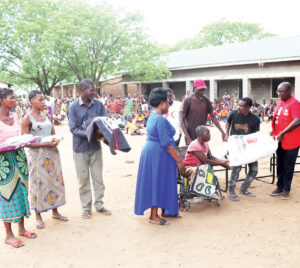
Save the Children has stepped up to protect displaced children by providing food and non-food items, among other essentials.
The organisation has supplied at least K27 million worth of aid, with further support promised.
“Save the Children has been invaluable. They have provided dignity kits, mosquito nets, porridge, maize meal and more to ensure the well-being of the children,” Mwandira adds.
Save the Children’s Senior Humanitarian and Area Operations Manager, Steve Kamtimaleka, says they were moved by the plight of the displaced children.
“We immediately mobilised resources to provide life-saving assistance. Protecting children is our priority and we are committed to ensuring every child has the opportunity to grow up in peace,” Kamtimaleka says.
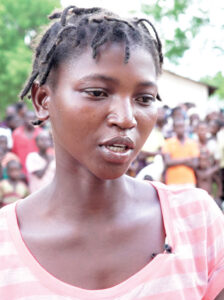
Eighteen-year-old Isabel Bernado, a native Portuguese speaker, recalls her painful journey into Malawi.
“One day, everything was normal—our homes, our villages—and the next, it was all destroyed. We left with nothing but the clothes on our backs,” she says, her voice filled with sorrow.
Like many others, her hair is tangled and unruly from the hardships of camp life.
Without time, water or proper tools, she cannot properly care for it and the constant stress leaves little room for self-care.
Her hair reflects the harsh realities of life, where personal well-being takes a back seat to survival.
Her journey to Nsanje itself was long, uncertain and filled with fear. “It felt like a nightmare,” she says in Portuguese.
A Mozambican other, sitting with her young child, reflects on their ordeal. “We left everything behind but we are grateful to be in Nsanje. The aid from Save the Children will help us survive,” she says, gazing at the setting sun.
This latest wave of displaced Mozambicans is not the first.
In the 1980s, thousands fled during the country’s civil war and another wave arrived five years ago.
For the over 3,500 children in the camps, the journey to safety is far from over. But at least there are efforts from the government and its partners to help them rebuild their lives.
“I miss my friends. We used to play together but now I don’t have the energy to play. Sometimes, I can’t stop thinking about the chaos in my country, which I saw with my own eyes,” says 12-year-old Jenipher.
Though she speaks Chisena, a language widely spoken in Nsanje, her bond with other children in the area is still new.
“I will try to make friends. I need friends here but I am scared because I am in a strange land,” she adds, her voice tinged with sadness.