With just six years away from 2030, the deadline for the realisation of targets set in the Sustainable Development Goals (SDGs), Malawi has stagnated on most of these goals, THOMAS KACHERE writes.
In general, the United Nations (UN)’s 17 Sustainable Development Goals (SDGs) aim to achieve decent lives for all on a healthy planet by 2030.
UN member states adopted the goals in 2015. Malawi was one of them and, just as is the case with several other countries, most of the goals are likely to be missed.
We have reviewed progress on SDGs 1 (no poverty), 2 (zero hunger) and 4 (quality education), where we have generally concluded that progress has been stagnant.
Of course, our general analyses have found that not much is happening on the rest of the goals either.
- Advertisement -
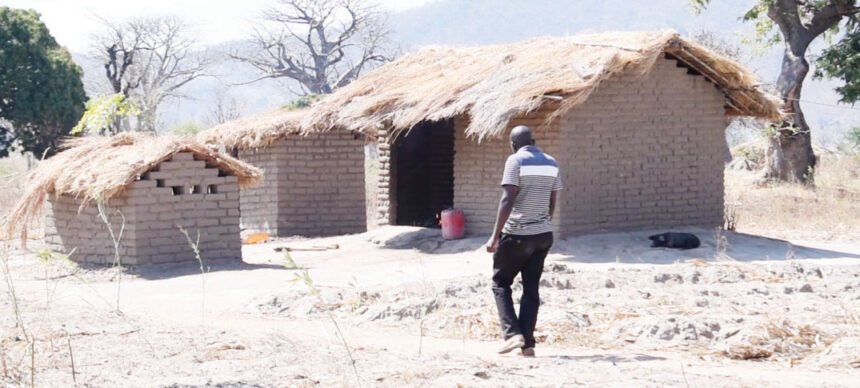
On poverty, several reports indicate that Malawi remains one of the poorest countries in the world.
Social commentator Lucky Mbewe states that Malawi has not done much to prompt the achievement of some critical SDGs which have a direct bearing on people like SDGs 1, 2 and 4.
Mbewe says the country has been good at coming up with beautiful policies, frameworks and even State of the Nation Addresses, whose contents are hardly implemented.
He says, for example, on SDG 1, which has also a bearing on SDG 2, Malawi is significantly lagging behind.
- Advertisement -
- Advertisement -
“Poverty levels among Malawians, both in urban and rural settings, continue to rise by the day while very few are enjoying looted and embezzled taxes meant for transforming lives of the poor.
“Again, the fight against hunger in Malawi has been met with corruption, especially in the implementation and management of the Affordable Inputs Programme. Simply put, Malawi is off track on the SDGs,” Mbewe says.
On SDG 4, he acknowledges some positive strides which the government has taken to ensure the quality of education is improved.
Spokesperson for the Ministry of Education Mphatso Nkuonera insists government is doing everything possible to address problems in the education sector.
He adds that government has made efforts to allocate funds under the School Improvement Grant, which “if properly managed could be a contributing factor to achieving targets in SDG 4”.
Chairperson for Human Right Defenders Coalition Gift Trapence says Malawians are wallowing in abject poverty.
“There is broken public service delivery system, drug shortages, fewer classrooms, understaffed health facilities… All these are leading to poor quality service delivery.
“When you connect the dots, you realise that our failure to deliver is because of theft of public resources by a few individuals.
“Malawians in every corner of the country should be able to rise up and join the fight against corruption. Corruption is the major enemy to attaining the SDGs,” Trapence says.

On his part, Sustainable Development Initiative Executive Director Maynard Nyirenda observes that Malawi has stagnated on SDG 2, which talks about ending hunger.
Nyirenda believes this is due to poor implementation of policies and how agriculture is being practised, especially by small-scale farmers.
“Farmers don’t produce enough for themselves or for export. This type of agriculture is not sustainable. There is also an issue of climate-related shocks like dry spells and floods.
“We have seen that subsidies are phasing out and mega farms are being talked about. If we can do more, we can achieve food security; otherwise, we have a long way to go,” he says.
UN Resident Coordinator Rebecca Adda-Dontoh states that while Malawi has made significant efforts and demonstrated commitment to achieving the SDGs, challenges persist, and further action is needed to ensure success by 2030.
She adds that the country faces various obstacles, including external shocks like cyclones, health pandemics, and climate-related disasters, which have hindered progress.
“Despite setting ambitious targets and implementing policies to address poverty, hunger and improve education quality, more comprehensive strategies and resources may be required to overcome these challenges and achieve the desired outcomes within the specified timeframe,” Adda- Dontoh says.
She further suggests that several key actions can help accelerate progress towards achieving the SDGs in Malawi, including Goals 1, 2 and 4.
The UN rep says there is need to strengthen partnerships between the government, private sector, civil society and international organisations to mobilise resources, share best practices and coordinate efforts effectively.
“[Malawi must] develop and implement targeted policies and interventions to address the root causes of poverty and hunger, improve access to quality education and enhance educational outcomes.
“…Increase investment in critical infrastructure such as irrigation systems, road networks and educational facilities to support sustainable development and ensure equitable access to services,” Adda-Dontoh says.
The UN official further suggests the need to prioritise disaster risk management and resilience-building measures to mitigate the impact of climate-related disasters on poverty, food security and education outcomes.
A Malawi Vulnerability Assessment Committee report released in August last year stated that 4.4 million people in the country would experience hunger in the 2023-24 consumption period.
Government spokesperson Moses Kunkuyu recently told The Daily Times that government was committed to ensuring that no-one dies of hunger by, among others, distributing free maize to vulnerable households.
Others are getting cash for buying food and other needs.