By Wezzie Gausi:
The Ministry of Health has revealed that Malawi has only 0.4 doctors for every 10,000 people, exposing the country’s deep-rooted health workforce crisis at a time it is grappling with multiple disease burdens.
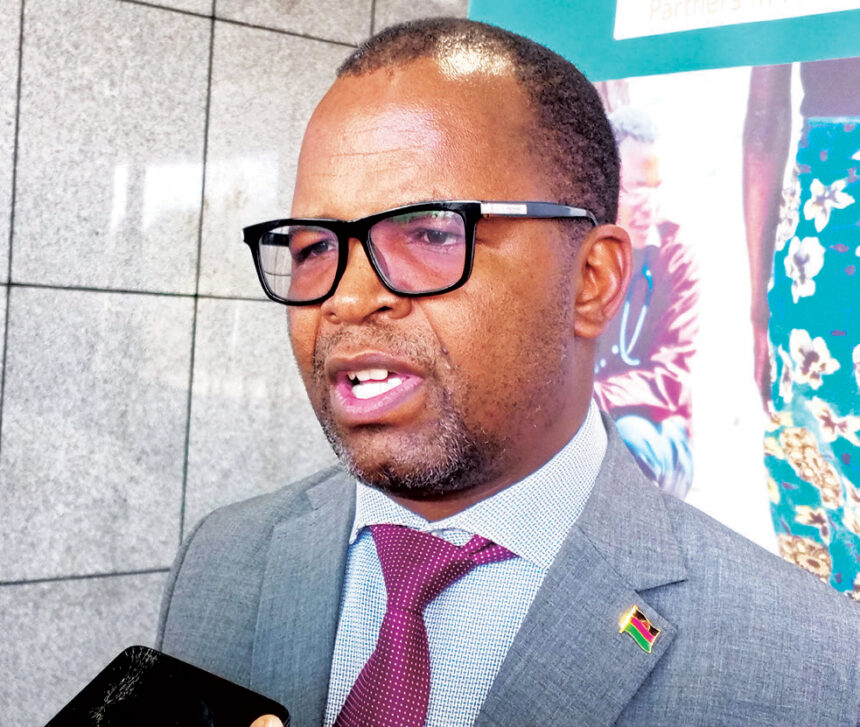
Secretary for Health Samson Mndolo described the situation as alarming and reflective of the broader systemic challenges undermining service delivery across the country.
He said in 2024 alone, Malawi recorded an estimated 991,000 people living with HIV.
“Alarmingly, 11,800 new infections were documented, with adolescent girls and young women accounting for about 3,000 of the cases. Tuberculosis (TB) remains the second leading cause of death, particularly among those co-infected with HIV.
- Advertisement -
“The twin epidemic continues to stretch the country’s limited diagnostic and treatment capacity, especially in rural and hard-to-reach areas,” Mndolo said.

Health experts warn that these figures indicate ongoing gaps in prevention, detection, and treatment.
Health Rights Activist Maziko Matemba described the situation as worrisome, warning that Malawi’s path toward Universal Health Coverage (UHC) was at risk.
“This is a wake-up call to the government and all of us to invest in human capital in our health systems for the nation to be able to achieve UHC. With this pace, we are still lagging behind and things need to change,” Matemba said.
- Advertisement -
- Advertisement -
Meanwhile, non-communicable diseases (NCDs) are on the rise. Hypertension affects nearly one in every three adults, while 6 percent of the population is living with diabetes.
Health authorities warn the trend is worsening due to lifestyle factors and lack of sustained care.
Cervical cancer continues to be the leading cause of cancer-related deaths among women in Malawi.
Many cases are detected too late, significantly reducing survival rates despite efforts to scale up screening and vaccination.