By William Kumwembe in Accra, Ghana:
It is scorching hot now in Accra, Ghana—the host country of this year’s Africa Games— with temperatures fluctuating between 30 and 34 degrees Celsius.
But athletes in the various disciplines being competed for there are defying odds; they are putting in a gallant fight for various medals in a desperate attempt to raise their nations’ flags higher.
However, Malawi’s athletes have, again, put up a dismal performance with only Asimenye Simwaka crawling towards glory having qualified for the semi-final stage in the 400-metre race.
The rest, about ten, from judo, taekwondo, boxing and swimming, failed to go beyond preliminary rounds.
- Advertisement -
Once again, officials are lamenting poor planning and preparedness; painting a mixed and murky outlook for Malawi’s competitiveness in various sporting activities on the international arena.
Unless, obviously, a decisive approach is taken to turn the tables upside down, it appears local athletes will continue to travel to such big international competitions for ceremonial purposes, just to fill up the numbers.
The lower number of participants, comparatively, is cited among the major setbacks in building Malawi’s competitive edge at such international sporting competitions.
In an interview at the Ghana University Stadium on Monday, Chief Sports Officer at the Ministry of Youth and Sports Joseph Mazaza said the remedy is getting back to the drawing board for an overhaul of the process.
- Advertisement -
- Advertisement -
“The performance is not all that good. These are the lessons that we are learning, that first and foremost, we need to come up with good planning in terms of capacity building among our officials, good training programmes for our athletes and then making the best decisions as regards how many athletes we should be sending to such competitions,” Mazaza said.
It then appears to be a foregone conclusion that the dismal performance of our athletes exposes levels of unpreparedness for them to win at other competitive international games.
The 13th African Games are very important as they are a qualifier to the Olympics and Commonwealth games.
“If we can bring ten athletes here and all of them are not qualifying for the Olympic Games, then which athletes are we going to take to the Olympic Games? We need to be performing well at such continental competitions all the time if we want to qualify for big international events,” Mazaza wondered.
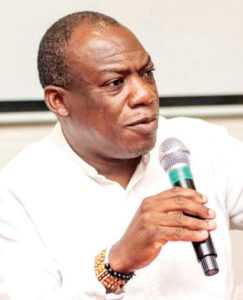
Malawi National Council of Sports Chairperson Sunduzwayo Madise bluntly described Malawi’s performance at the games as a lost opportunity.
“Overall, in terms of value for money, I think we have not done very well. W e need to do well and improve on our technical capabilities. We may have good athletes but the question we need to start asking ourselves is whether we have the right people to coach them.
“They might be good coaches in terms of skills, but do they have the technical expertise? Are they qualified to do the job and bring out results?” Madise said.
He said going forward, Sports Council and the government need to be more proactive in facilitating the identification and grooming of fresh talent for future competitions and invest substantially in their development.
The African Games have attracted over 5,000 athletes and coaches from 55 African countries in 29 selected sports codes.