




By Kingsley Jassi:
The World Bank has asked Malawi not to drift from the Automatic Pricing Mechanism (APM) for fuel to prevent carrying over arrears.
APM is a system used in determining retail fuel prices, in line with international prices and other factors, without the government subsidising the prices.
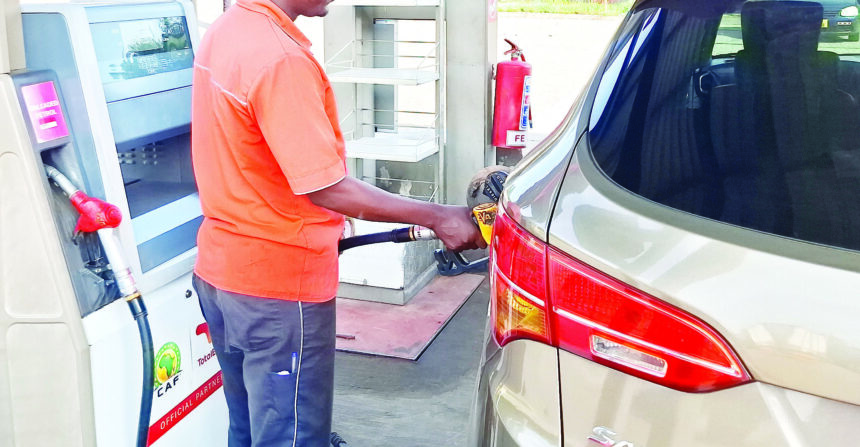
Since the re-introduction of the mechanism, the Malawi Energy Regulatory Authority (Mera) has hiked fuel prices twice, to the frustration of some consumers while relieving suppliers who had been making losses due to retail price control measures.
However, World Bank Country Manager Firas Raad said in an interview that he expected the government to stick to APM for now.
- Advertisement -
With the system in place, the country has started replenishing the depleted Price Stabilisation Fund (PSF) after years of price controls.
“Now is the time to stay alert and be ready for the shocks to increase. That is why it is important to make sure that reforms remain in place, and the Automatic Price Mechanism is still there. But depending on what happens to the price, the poor and the vulnerable have to be protected,” he said.
Under the APM system, Mera adjusts fuel prices when fuel landing-cost changes exceed 5 percent while the PSF covers any price increase within the 5 percent margin.
The previous suspension of APM caused depletion of the fund and the accumulation of over K1.1 trillion arrears to fuel suppliers which, according to Mera’s acting Chief Executive Officer Dad Chinthambi, will take over two to three years to replenish.
- Advertisement -
- Advertisement -
Some fuel levies for road maintenance and rural electrification exercise were also suspended in order to keep the retail price lower but this came at a cost as road users had to endure damaged roads that stayed without maintenance.
In a separate interview, economist Dalitso Kubalasa said the fuel price shock was not the crisis itself but was a magnifier of deeper vulnerabilities that the country had left unaddressed for too long. “The real policy question is not how to absorb the next shock but how to structurally ensure we ambitiously and systematically insulate Malawians from having to absorb such inevitable shocks at all,” he said.