



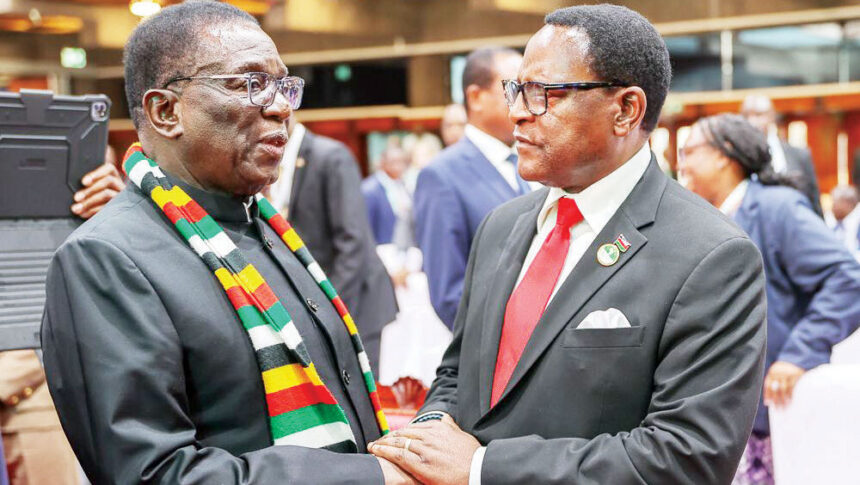
Malawi has developed a 10-year Malawi Action Plan on Fertiliser and Soil Health in order to domesticate a continental framework that is set to be adopted at the Africa Fertiliser and Soil Health Summit in Nairobi, Kenya.
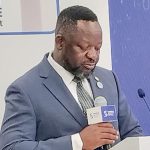
Speaking during the summit, President Lazarus Chakwera said the goal is to improve soil health and improve the usage of organic and inorganic fertilisers.
“We want to improve soil productivity and reduce [cases of] soil degradation and soil erosion. In so doing, we will reverse the negative trend in the deterioration of our soil health through a set of interventions that have been outlined in the action plan,” he said Chakwera said through the action plan, costing approximately $163 million, the country will leverage existing programmes by government and other stakeholders, using development partners’ support to ensure swift and effective implementation.
“Through our action plan, we will implement the continental fertiliser and soil health action initiative and others aimed at improving soil productivity. Through our action plan, Malawi will take her place in the world as a food basket for all the countries in the world that do not have the arable land, fresh water and agricultural human capital we have,” he said.
- Advertisement -

Chakwera said Malawi is keen on investing in the health of the soil to improve productivity.
- Advertisement -
“Malawi has not been spared from the crisis of degraded soils, and we are seeing the consequences of the same through the diminishing harvests that are obtaining year in and year out. My government has, therefore, taken special interest in addressing soil health issues and we will soon be piloting a programme to address the high acidity levels in the soils of certain parts of Malawi with the aim of quickly scaling up the same to other parts,” he said.
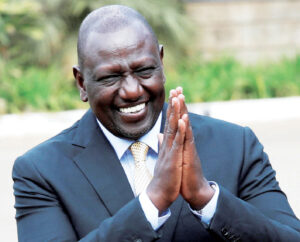
Kenyan President William Ruto concurred with other leaders on the need to promote modern methods of farming.
He said Africa is facing a number of challenges in agriculture, a development, he said, that had led to food insecurity on the continent.
“In pursuit of the Green Revolution, it is important to note that Africa has vast potential which needs to be utilised. We need deep reflection for sustainable fertiliser across Africa in order to achieve Sustainable Development Goal 2, [which is] aimed at eradicating hunger by 2030,” he said.
- Advertisement -
Zimbabwean President Emmerson Mnangagwa was among the leaders at the summit.
In June 2006, AU heads of State and government endorsed the Abuja Declaration on Fertiliser for the Africa Green Revolution, a continental strategy to reverse the declining productivity of African soils.