





By Myra Elias:
Malawi has expanded access to specialised cancer treatment through the National Cancer Centre at Kamuzu Central Hospital (KCH), where patients can receive surgery, chemotherapy and radiotherapy, services that previously forced some to seek costly treatment abroad.
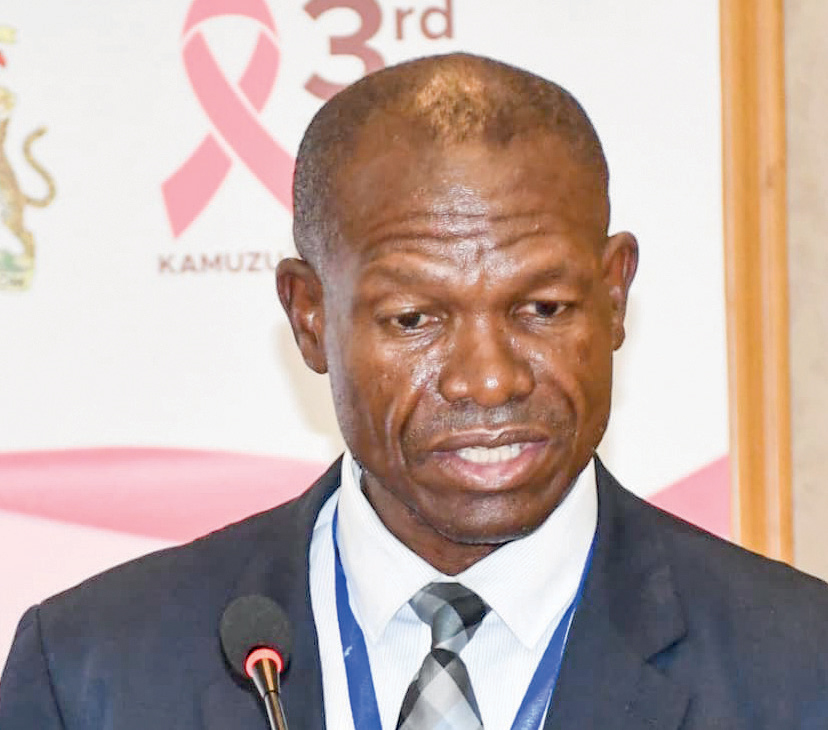
Speaking during the 3rd KCH Cancer Summit in Lilongwe on Thursday, Secretary (administration) for Health and Sanitation Benson Chisamile said the country had made progress in strengthening cancer services, despite facing challenges such as late diagnosis and unequal access to specialised care.
Chisamile said expanding treatment capacity was an important step towards improving outcomes for patients, while calling for continued investment in prevention, early detection and access to quality care.
He added that “there has been progress” in cancer prevention, including HPV vaccination, cervical cancer screening services and the training of more than 2,000 health workers in the early detection and referral of childhood cancers.
- Advertisement -
“The establishment of the National Cancer Institute is also a step towards strengthening coordination of cancer prevention, diagnosis, treatment, survivorship and palliative care under the National Cancer Control Strategic Plan 2019- 2029,” Chisamile said.
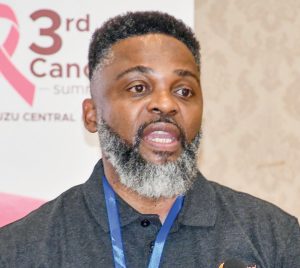
On his part, KCH Director General, Amos Msekandiana, said the centre has registered more than 2,100 new patients in the last year (2025), providing chemotherapy to over 1,600 patients, radiotherapy to more than 600 and brachytherapy to 70 women.
He said despite the expansion of services, many patients still present late due to limited awareness of early cancer symptoms, delays in diagnosis and referral, and a shortage of specialists to provide timely care.
“There is a need for more oncologists, oncology nurses, medical physicists and radiotherapy technicians to strengthen our cancer services. Beyond that, we need an independent National Cancer Institute with its own management to support specialised training, advance research, inform policy and position Malawi as a destination for medical tourism,” Msekandiana said.
- Advertisement -
- Advertisement -
He called for greater investment in early detection and psychosocial support, saying patients need comprehensive care to help them cope with the emotional and social effects of cancer during treatment and after recovery.
“Cancer care goes beyond treatment and medication. We need to look at how patients are coping after treatment because cancer affects them both physically and psychologically, and these are issues that need our support,” Msekandiana said.
