





By Mercy Matonga:
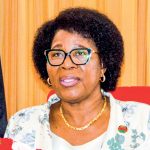
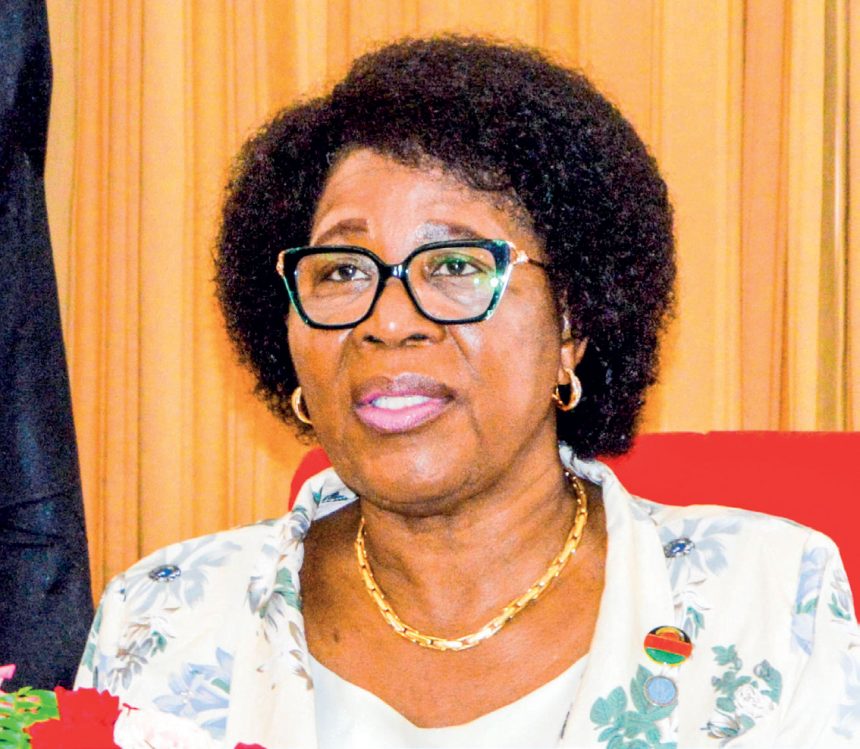
State Vice-President Jane Ansah has called for continued efforts to support women and promote their participation in politics.
Ansah said this in Lilongwe Thursday during her virtual presentation at the Women’s Academy for Leadership and Political Excellence (WALPE Africa) conference.
The conference is taking place in South Africa.
She said efforts to support women must examine where exclusion begin as, for many women, the decisive barriers arise before election day, when political parties select candidates and determine who receives competitive seats.
- Advertisement -
“The ballot cannot correct an exclusion that has already been engineered at the nomination table. Political parties must therefore be central to our reform agenda,” Ansah said.
She said there was also a need to confront a threat that undermines both women’s participation and electoral integrity; that is, violence against women in politics.
“Intimidation, harassment, threats, economic coercion and character assassination can undermine women’s ability to campaign and lead.
“When violence influences who dares to stand for office, who can campaign freely and whose voice is driven out of public debate, the integrity of political competition is compromised,” Ansah said.
- Advertisement -
- Advertisement -
Speaking after the conference, Ansah said Malawi still had gaps to address, some of which were rooted in cultural practices and values.
“We, as a country, are making efforts through the 50:50 campaign and other interventions, which are helping to promote women’s participation in politics and address the challenges they face,” she said.
Ansah also said cultural values in the country had played a significant role in affecting women’s participation in politics and their ability to secure positions of leadership.
Ansah said overcoming these challenges required examining the legal, institutional and financial arrangements that shape women’s political participation.
“Make [processes pertaining to] nominations transparent, give women fair access to competitive positions and campaign resources, strengthen women’s leadership pipelines and ensure that political violence and gender-based abuse are addressed through clear rules and meaningful accountability,” she said.
The conference seeks to address the persistent gender gap in political leadership across Africa. Despite decades of advocacy, women occupy only 26 percent of parliamentary seats across the continent, representing an increase of just 1.5 percentage points since 2015.
