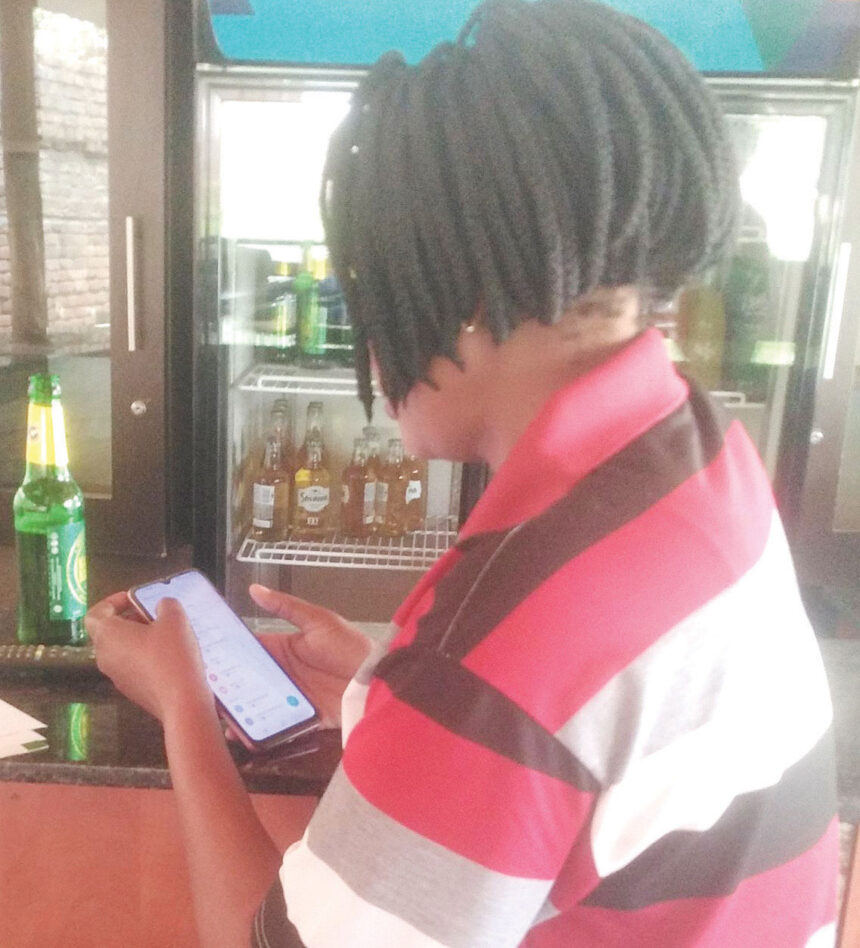
Martha Kambalame, 39, ventured into sex work in 2013 after her marriage collapsed. Her husband left her with three children: two boys and a girl. The eldest child is now 21 years old.
She says commercial sex workers do not share personal feelings with their clients; therefore, they should not be called prostitutes, but rather sex service providers.
“A lot of men are going through difficulties in their families, so we offer them what they are not receiving at home, at a cost agreed upon beforehand.
“You would be surprised at how many men share stories of mistreatment by their wives and in return, we provide pleasure to alleviate their pain,” Martha, who plies her trade at Makawa Trading Centre in Mangochi, says.
Following her separation, she took on the responsibility of supporting her children as their father had abandoned them completely.
- Advertisement -
She says she started working as a housekeeper at a lodge in Blantyre before her colleague started taking her to drinking establishments after work.
There, the colleague introduced her to men for sex.
After several outings, Martha struggled to set appropriate fees for her services due to her inexperience.
“But my friends taught me how to charge for short-term and overnight services. I began to earn money, but I still felt uncomfortable working in Blantyre because I frequently encountered relatives. So, I moved to Mangochi and settled here,” she explains.
- Advertisement -
- Advertisement -
As a newcomer at the location, Martha found that business was good, with many men eager to engage her.
This allowed her to earn a substantial income, which she used to support her family and send her children to school.
“At one point, I was making K200,000 a month, which was a big amount back then. However, now that I am older, demand has decreased. Many young women are entering the trade, which makes it difficult for older sex workers like me,” she says.
Despite the perceived benefits of sex work, Martha says the job is more challenging than people realise.
She says sex workers face numerous threats, including rape and physical assault by men unwilling to pay for their services.
“There are times when men buy a girl a drink and when she is drunk, they rape her and then flee. The biggest challenge is that when we report rape to the police, they often dismiss it, saying a prostitute cannot be raped,” she laments.
In addition to these personal challenges, Martha says that sex workers with children face difficulties protecting them from mental abuse by those who despise sex trade.
Children of sex workers are often stigmatised and called names, which can negatively impact their educational performance.
As they grow older, it becomes challenging for sex workers to convince their children that their work is legitimate and nothing to be ashamed of.
“When my children were young, they did not know I was a commercial sex worker. But now that they are older, I have noticed they are uncomfortable with my job.
“They cannot voice their discomfort because they understand this is the only way I can support them. As a parent, it pains me deeply to see them uneasy,” she says.
Martha appeals to authorities to recognise the sex trade and provide soft loans to older sex workers so they can retire and focus on raising their children.
“The situation for older sex workers is tough. Many men prefer younger girls and we are also competing with boys for the same clients,” she says.
Reasons for entering sex work vary. For some, it is a habitual choice.
For Martha, it was divorce; but 23-year-old Rose (not her real name) joined the trade after being withdrawn from a public university for academic reasons.
Rose says she could not face her parents after being expelled from university, so she turned to sex work for survival while her parents believed she was still in school.
“At the moment, my parents still think I completed university last year and am doing a government internship.
“To survive, I have some clients who do not even know I am a sex worker and who pay for my rent as if I were their girlfriend. That is my life now as I figure out what to do next,” she explains.
One of the bar owners at Makawa Trading Centre, Yohane Makondetsa, who is also a He for She Community Change Agent under a United Nations Women-sponsored Pakachere project, agrees that female sex workers face many challenges but receive little support.
Makondetsa notes that key issues include being engaged without payment, rape and physical assault.
“Some men do not understand that these women earn a living through this trade. They think they can do whatever they want to a woman found at a drinking joint, which is very wrong,” he says.
Makondetsa adds that, under the He for She initiative, change agents have been trained to help sex workers and other vulnerable populations when they face abuse.
However, like Martha, Makondetsa also complains that support for sex workers is often slow when complaints are lodged.
Makondetsa suggests that the Social Welfare Office consider funding some of the interventions by community change agents, as many operate using their own funds.
In response, Gender Officer for Mangochi, Laston Chikopa, acknowledges that there were initial delays in supporting sex workers and other vulnerable individuals after they lodged complaints of abuse.
“This was partly due to a lack of resources. However, with coordination between Pakachere and UN Women, we can now conduct training to build capacity in how to address such issues and the results are significant,” he says.
Chikopa adds that the training now includes police officers, medical personnel and Judiciary staff to ensure coordination among these key departments.
Nonetheless, he agrees that there is still more effort needed to change public attitudes and recognise that sex workers have rights as human beings.