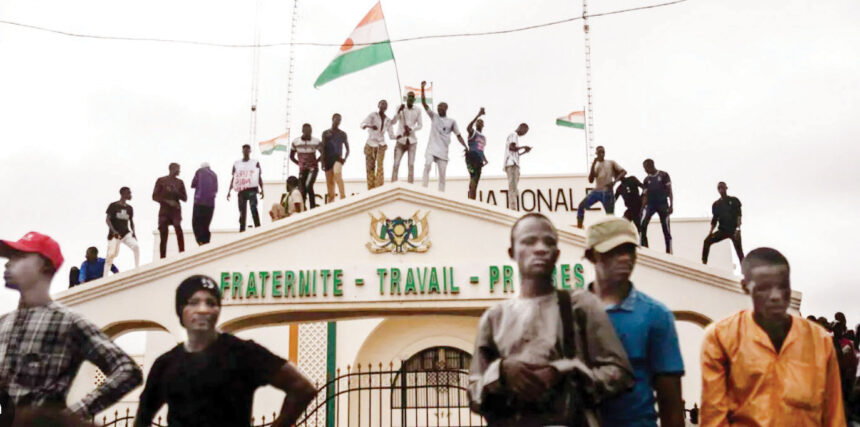
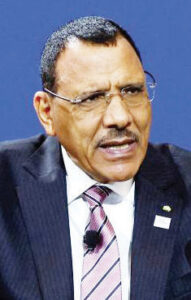
Mohamed Bazoum, the democratically elected president of Niger, said he is being kept isolated and forced to eat dry rice and pasta by the military junta who overthrew him and are refusing to cede power despite international pressure.
In a series of text messages to a friend, Bazoum said he has been “deprived of all human contact” since Friday, with no one supplying him food or medicine.
Bazoum’s messages were given to CNN with the ousted president’s consent.
Bazoum said he has been living without electricity for a week, as have many Nigeriens. Nigeria supplies much of neighboring Niger’s electricity but cut off the power in response to the coup.
All of the perishable food he was supplied with has since gone bad, and he is now eating dry pasta and rice.
- Advertisement -
Despite his isolation, Bazoum has been in contact with the outside world. Though denied the chance to speak with acting US Deputy Secretary of State Victoria Nuland during her visit to Niamey, the Nigerien capital, Bazoum spoke by phone with her boss – Secretary of State Antony Blinken – a day later, the State Department said.
Ouhoumoudou Mahamadou, the prime minister in Bazoum’s government, told French TV that the president was in good spirits despite being held in a “catastrophic situation.”
Hopes for a diplomatic resolution to the political conflict, however, have begun to fade.
Nuland’s meeting with senior coup leaders lasted more than two hours, consisting of “extremely frank and at times quite difficult” conversations.
- Advertisement -
- Advertisement -
A Tuesday face-to-face meeting that was supposed to take place in Niamey between the junta and representatives from the United Nations, the Economic Community of West African States (Ecowas) was canceled at short notice.
Junta leaders said in a letter that postponement of the meeting was “necessary” in “this atmosphere of threatened aggression against Niger.”
However, Mahamadou told French state-funded broadcaster TV5-Monde that the junta would like to continue dialogue with Ecowas, the bloc that has been leading the regional response to the political crisis in Niger.
Hopes for a diplomatic resolution to the political conflict, however, have begun to fade.—CNN