






By Innocent Chunga
For Martha Mvula, a young resident of Nkhotakota District, living close to Lake Malawi and some of the country’s richest natural attractions should offer more than beautiful scenery; it should also provide opportunities to earn a living.
Despite the district’s abundant tourism resources, Mvula says many young people who have completed school and college remain unemployed, missing out on opportunities that could be created through a vibrant tourism industry.
“We hear a lot about the district’s tourism potential, but potential alone cannot put food on the table. We have young people, including me, who have completed school and college but cannot find employment.
“If more tourism-related businesses were established, we could work as guides, hotel attendants, drivers and other service providers instead of sitting idle,” Mvula explained.
- Advertisement -
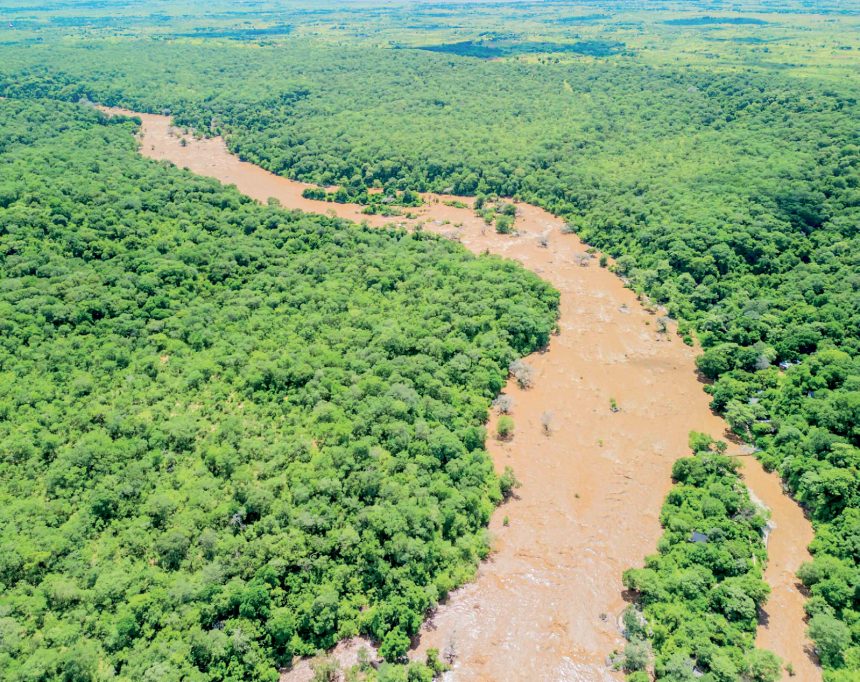
Her concerns reflect a wider challenge facing Nkhotakota, where natural attractions, cultural heritage and wildlife resources remain largely untapped despite their potential to generate employment, attract investment and stimulate economic growth.
As the saying goes, beauty without prosperity leaves many hungry. For Nkhotakota, the challenge is no longer simply about having attractions to showcase, but turning them into sustainable economic opportunities for the people living alongside them.
Situated along Lake Malawi, the district boasts beaches, rivers, cultural heritage and access to Nkhotakota Wildlife Reserve, making it a potential destination for both domestic and international tourists.
Its geographical position also offers access to visitors travelling from Lilongwe, Kasungu and Mzuzu, creating opportunities for weekend getaways, extended stays and organised tourism packages.
- Advertisement -
Under the Malawi 2063 vision, tourism is recognised as one of the sectors with the potential to generate foreign exchange, create employment and contribute to economic transformation.
However, achieving this ambition will require deliberate investment in accommodation, infrastructure, marketing, skills development and support for local enterprises.
For young entrepreneur Zaithwa Kamwanja, the slow growth of the tourism industry is also limiting opportunities for people with business ideas.
“We have business ideas but lack capital and customers. Increased tourists’ inflow would create opportunities for young people, putting them in a position to establish restaurants, transport businesses and craft shops. We want to benefit from opportunities in our own district,” Kamwanja said.
The concerns highlight the importance of involving young people not merely as beneficiaries but also as entrepreneurs, skilled workers and active partners in tourism development.
This will require investment in vocational training, hospitality skills, entrepreneurship development and partnerships with established tourism operators.
Recognising the district’s potential, Nkhotakota District Council is pursuing plans to transform the area into a tourism city by harnessing its natural, cultural and historical attractions to stimulate economic growth and attract investment.
As part of these efforts, the council, led by the former District Commissioner Ben Tonho and other representatives, undertook a learning visit to Ethiopia in 2024 to study tourism development models and explore strategies that could be adapted to Nkhotakota.
Council spokesperson Wongani Mkandawire said the initiative reflected the council’s determination to move beyond the district’s existing potential and establish a vibrant tourism industry.
“We need stronger partnerships with the private sector, conservation organisations and local investors to improve tourism infrastructure and promote our attractions.
“Young people and surrounding communities must also be included in these initiatives so that tourism development contributes directly to employment creation and household incomes,” Mkandawire explained.
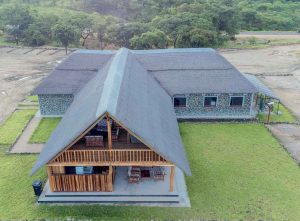
One of the practical steps towards achieving this ambition is the rehabilitation of Stima Inn, which the council intends to upgrade into a standard hotel.
According to Mkandawire, the project is being funded through the Governance to Enable Service Delivery (Gesd) programme, which has allocated more than K300 million, while the Constituency Development Fund (CDF) has provided K400 million towards completing the remaining works.
The combined investment of more than K700 million is expected to improve accommodation facilities, strengthen the district’s capacity to attract visitors and encourage tourists to spend more time in Nkhotakota.
However, as the proverb says, we cannot destroy the forest and expect to enjoy its fruits. Tourism development must, therefore, go hand-in-hand with environmental protection.
Environmental expert Yassin Rasheed Malandula says conservation should be central to Nkhotakota’s tourism development agenda, warning that uncontrolled tourism activities could destroy the natural resources upon which the industry depends.
He says hotels, lodges and other tourism facilities along Lake Malawi and around Nkhotakota Wildlife Reserve should be developed alongside proper waste management, protection of wildlife habitats, responsible water use and measures to prevent pollution.
Malandula further stresses that surrounding communities must participate in conservation initiatives because their livelihoods and the long-term sustainability of tourism depend on healthy ecosystems.
Beyond environmental protection, the district has an opportunity to combine lakeshore tourism with wildlife, cultural and historical experiences to create a more attractive tourism package.
Young tourism enthusiast, Gregory Thomas Chipwere, says Nkhotakota should market its attractions as a connected destination rather than promoting them separately.
“Someone visiting Nkhotakota should be able to spend a few days enjoying the wildlife, the lake and our cultural heritage,” Chipwere said.
“We have enough attractive sites to keep visitors here, but we need proper promotion and businesses that can give tourists a complete experience. Tourism should benefit ordinary people, not just a few established investors,” he pointed out.
Such an approach could increase demand for accommodation, restaurants, transport services, local food suppliers, tour guides and entertainment.
Local farmers could supply fresh produce to hotels and lodges, while transport providers, artisans, guides and small-scale traders could benefit from increased visitor spending.

However, stronger connections between tourism investors and local suppliers are necessary, alongside access to vocational training, business support and start-up financing.
For Nkhotakota, the opportunity is to build an industry where lakeshore tourism, wildlife conservation, cultural heritage and local entrepreneurship complement one another.
As the country pursues the ambitions of the Malawi 2063 vision, the district has an opportunity to turn its natural attractions into sustainable economic opportunities.
But this will depend on whether government institutions, private investors, tourism operators and local communities can work together to translate development plans into tangible results while safeguarding the environment.
For young people such as Mvula and Kamwanja, the true measure of success will not simply be the number of tourists visiting the district, but the jobs created, businesses established and household incomes improved.
Nkhotakota has the attractions and the ambition. What remains is to unlock their economic value and ensure that the communities living alongside these resources become active participants and beneficiaries of the district’s tourism transformation.