




The country’s nurses and midwives have written President Lazarus Chakwera, expressing concern over challenges facing the healthcare service delivery system.
In a joint letter dated December 9 2024, Association of Malawian Midwives (Amami) and the National Organisation of Nurses and Midwives (Nonm) say they have noted that the healthcare delivery system in Malawi continues to deteriorate.

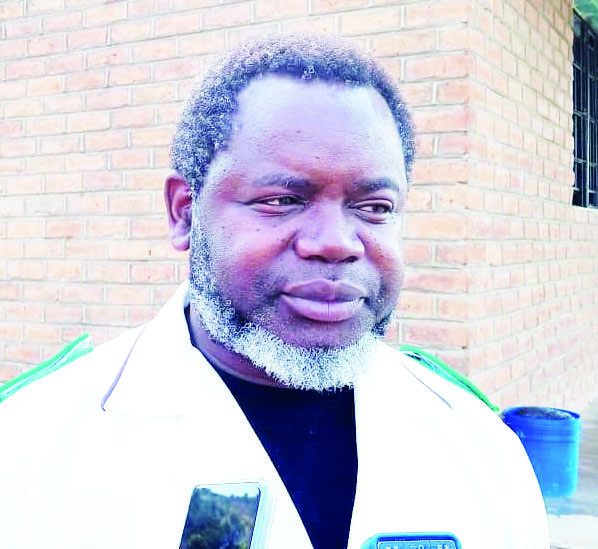
In a letter signed by Amami President Mumuderanji Keith Lipato and Nonm President Shouts Simeza, the medics note that while they took an oath of service where the health of clients is their priority, the current environment is letting them down, hence they could not sit down and watch while the situation was getting out of hand.
By not speaking out, the medics say, they are indirectly aiding mortalities and morbidities of clients.
Among the key issues riddling the country’s health sector, according to the medics, are critical shortage of essential medicine and supplies, dwindling welfare of nurses and midwives as well as shortage of fuel.
- Advertisement -
The medics say they have noted that, currently, there is an acute shortage of essential drugs and supplies in all hospitals.
They cite gentamycin, diclofenac injection, ephedrine, tetracycline eye ointment, Vitamin K, Vitamin A, intravenous hydralazine, iodine and cidex chlorhexidine among the scarce drugs.
“In most cases, patients are being sent back to buy their own drugs.
“We still have critical shortage of products like cotton wool sutures, intravenous fluids, surgical blades, nasal gastric tubes, cannula, urine bags, sterile gloves, plaster, scrub suits, clogs, theatre gowns, neonatal nasal prongs Suction tubes for neonates nebuliser, giving sets, mackintosh, blood pressure machines, foetal doplers, vacuum extractors, blood bags, penguine suckers, elbow length sterile gloves and CPAP machines.
- Advertisement -
- Advertisement -
“Patients are being sent away to buy Plaster of Paris (PoP) for different fractures,” the letter reads.
The medics further note that for the past four years, the cost of living has more than trebled, yet the remuneration for nurses and midwives has remained the same.
“All our attempts to seek redress have been systematically thrashed, trashed and thwarted using different government machinery.
“We remain the most underpaid, demoralised and ignored team of health workers in the Sadc [Southern African Development Community] region and beyond. We remain helpless and hopeless,” the letter reads.
On the fuel crisis, the medics say they are failing to refer patients from one point to another because there is inadequate or no fuel at all.
“Nurses and midwives are spending long hours on ques expecting to get fuel that would enable them to get to work.
“Public transport fares have doubled, hence exerting huge financial burden on those nurses and midwives without personal cars,” the letter reads.
The medics have since suggested that all health facilities should have express and priority access to the little fuel that is available by designating some fuel stations for them.
They have further asked Chakwera to direct that all nurses and midwives be deemed a priority at fuelling stations on production of valid identification cards.
“In the event that we do not see an improvement in the situation, nurses and midwives will be compelled to seek next steps and other avenues,” the letter says.
Presidential Press Secretary Anthony Kasunda and Secretary to the President and Cabinet Colleen Zamba were not immediately available to comment on whether Chakwera had received the letter.