New study results released by the Lancet, a world-leading medical journal, have shown that more than one billion people in the world are now living with obesity.
This means that for the current world population of eight billion, at least one person in eight people is obese.
Worldwide, obesity among adults has more than doubled since 1990, and has quadrupled among children and adolescents aged between five and 19 years, the study says.
According to a news release by the World Health Organisation (WHO), the data from the investigation further show that 43 percent of adults were overweight in 2022.
The study also shows that even though the rates of undernutrition have dropped, it is still a public health challenge in many places, particularly in South-East Asia and sub-Saharan Africa.
- Advertisement -
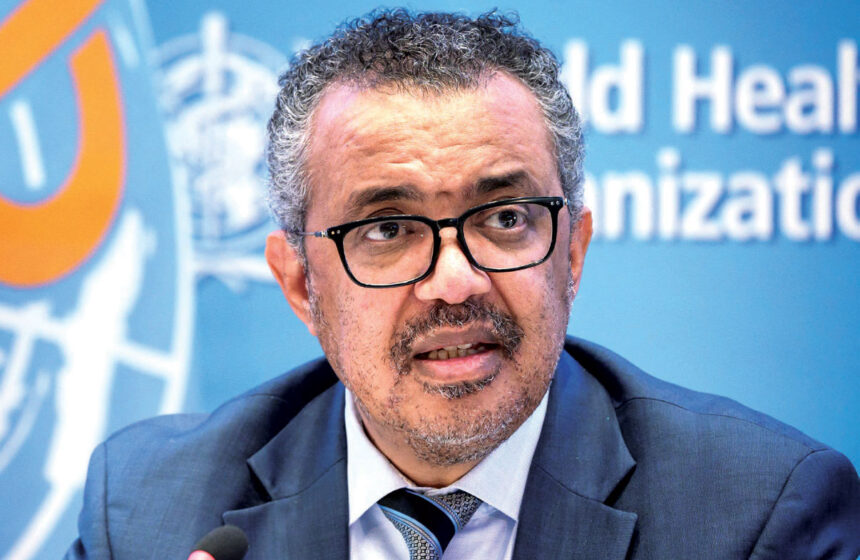
“This new study highlights the importance of preventing and managing obesity from early life to adulthood, through diet, physical activity and adequate care, as needed,” Tedros Ghebreyesus, WHO Director-General, said.
He added that getting back on track to meet the global targets for curbing obesity will take the work of governments and communities, supported by evidence-based policies from WHO and national public health agencies.
“Importantly, it requires the cooperation of the private sector, which must be accountable for the health impacts of their products,” the WHO chief said.
In a report published in 2022, the International Food Policy Research Institute noted that while Malawi had made significant progress in improving nutrition outcomes in the past decades, overweight and obesity among women was rising.
- Advertisement -
- Advertisement -
Alexander Kalimbira, a professor of human nutrition at Lilongwe University of Natural Resources, also warned that Malawi will have a huge problem with overweight and obese people in urban areas by 2030.
Kalimbira said the number could reach one million.
At a regional advocacy workshop on nutrition and dietetics, the academic reiterated that obesity is one of the main causes of non-communicable diseases (NCDs) around the world.
Recent studies have shown that Malawi has registered limited progress towards achieving the diet-related NCD targets.
At the World Health Assembly in 2022, member states adopted the WHO acceleration plan to stop obesity, which supports country-level action through 2030.
“There are significant challenges in implementing policies aimed at ensuring affordable access to healthy diets for all and creating environments that promote physical activity and overall healthy lifestyles for everyone,” Director of WHO’s Nutrition and Food Safety Department and one of the co-authors of the study, Francesco Branca, said.