

By Kingsley Jassi:
Sitting at the Africa Development Bank conference in Congo Brazzaville, Finance Minister Joseph Mwanamvekha saw his country—Malawi—being cited, but for the wrong reasons.
With the highest debt-to-gross domestic product (GDP)-ratio in the region, at 90 percent, Mwanamvekha said Malawi’s case was embarrassing.
He was, however, hopeful that the embarrassment could be scrapped off the face of Malawians if aspirations crafted in the National Economic Recovery Plan (NERP) were fulfilled.
In the next five years, through the NERP, the government promises to reduce the debt-to-GDP ratio to 60 percent by 2030.
- Advertisement -
Headline inflation is earmarked at 8.5 percent, with government revenue projected to rise to 25 percent of GDP.
According to aspirations in the plan, Malawi’s exports are expected to reach 20.1 percent of the GDP and, ultimately, reach a growth rate of 6.5 percent.
However, the plan has a K3.08 trillion cost, with infrastructure taking up K1.5 trillion, agriculture being allocated K1 trillion, mining and tourism getting K200 billion each while K175 billion will boost the manufacturing sector.
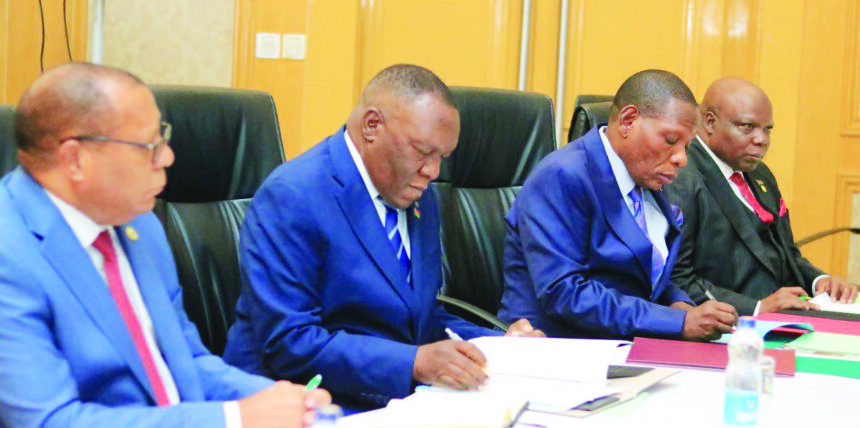
Mwanamvekha, speaking at the consultation meeting of NERP contents, acknowledged that the targets rested on high productivity that needed strategic infrastructure, investments, private sector dynamism and fiscal consolidation.
- Advertisement -
- Advertisement -
That said, the government’s huge task remains addressing the squeezed fiscal space, culminating from high indebtedness that sees 90 percent of tax revenue going to creditors.
Mwanamvekha said without raising the taxes, government operations would have collapsed.
He implored Malawians to look at the bigger picture and not to be fazed by the pain emanating from the corrective measures.
“We would not be able to pay the salaries and buy drugs in hospitals because almost all the money generated is going towards debt servicing,” Mwanamvekha said.
Experts and industry players worry about implementation, as gauged from their reactions.
Malawi Confederation of Chambers of Commerce and Industry Chief Executive Officer Daisy Kambalame called on the government to revamp the Public Private Sector Dialogue.
Economics Association of Malawi President Bartha Chikadza said there was a need for the development of irrigation corridors to realise real agricultural transformation that could help the county attain its food security and industrialisation goals.
“To achieve NERP’s expected gains, real wealth-creating sectors should be funded relative to potential gains for growth,” she said.
Responding to concerns over forex regulations and monetary policy, Reserve Bank of Malawi Governor George Patridge said there were modifications on exchange rate controls that were being considered.
He admitted that overregulation leads to failure.
The NERP consultation event attracted a huge number of people.