The National Water Resources Authority (NWRA) has reiterated that the flooding that is being experienced on the shores of Lake Malawi is due to the fact that the lake is reclaiming its space.
The authority says levels of water in the lake have not necessarily risen to abnormal levels, “as some quarters are insinuating”.

NWRA Chief Executive Officer Dwight Kambuku told the Public Affairs Committee (Pac) on Friday in Mangochi that most affected businesses and individuals undertook development activities in zones not fit for the activities.
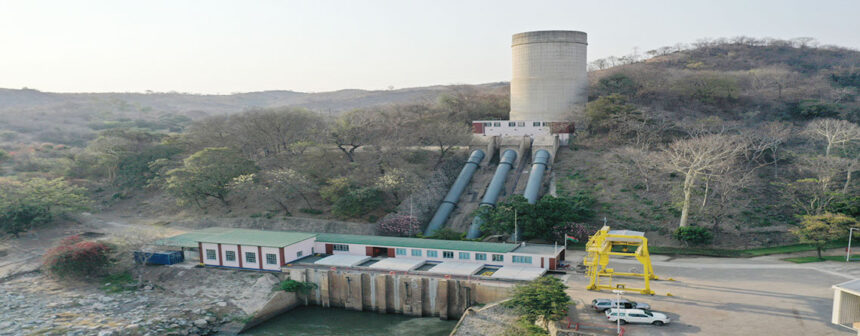
In an interview after the meeting, Kambuku admitted the authority has been under pressure from some quarters which feel the barrage on Shire River in Liwonde is causing the flooding.
The structure is used to manage the Lake Malawi—Shire River Hydrological System and it has a computer-generated model that provides scenarios on when its gates can be opened.
- Advertisement -
“For instance, when water levels reach 476.1 metres above sea level (masl), the system provides that we should fully open the gates.
“But there are other factors that are considered, such as the volume that Shire River can accommodate,” Kambuku said.
He explained that fully opening the barrage would mean letting 4,200 cubic metres per second of water into the river which can only handle 800 cubic metres per second.
Kambuku pointed out that the action would damage electricity infrastructure down the Shire and cause massive flooding in Chikwawa and Nsanje districts.
- Advertisement -
- Advertisement -
The National Water Resources Act proscribes infrastructure development below 477 masl as the zones below that contour line are prone to flooding when levels in the lake rise.
The current situation in the lake is being attributed to rainfall that has been falling in some parts of the country and more water that is flowing from Tanzania.
Pac chairperson Patrick Thawale hailed the “scientific explanations” from the NWRA team and promised the religious leaders will be “preaching” the water levels sermons from an informed point of view.
“We have seen water rising and hotels and other facilities being flooded. We really needed to understand what was going on,” Thawale said.
The aim of the Mangochi meeting was to dissect the issue of rising water levels in Lake Malawi and the Cannabis Regulation Amendment Bill which Parliament recently passed.
The new law—if approved by President Lazarus Chakwera—provides for the regulated production of local varieties of the crop commonly known as chamba.
Thawale said the religious leaders feel more information on the bill should be made available to Malawians as they always associate chamba with bad behaviours.
Meanwhile, the religious leaders are expected to come up with their position on the two issues having heard from NWRA and Cannabis Regulatory Authority.