


Processing documents for asylum seekers in Malawi has become lengthy and cumbersome, impacting operations of other departments, immigrants’ health and adherence to universal protocols, writes FESTON MALEKEZO.
The sun sets on the horizon in Karonga, Malawi’s Northern Region border district.
Government offices have closed and shops are winding down for the day.
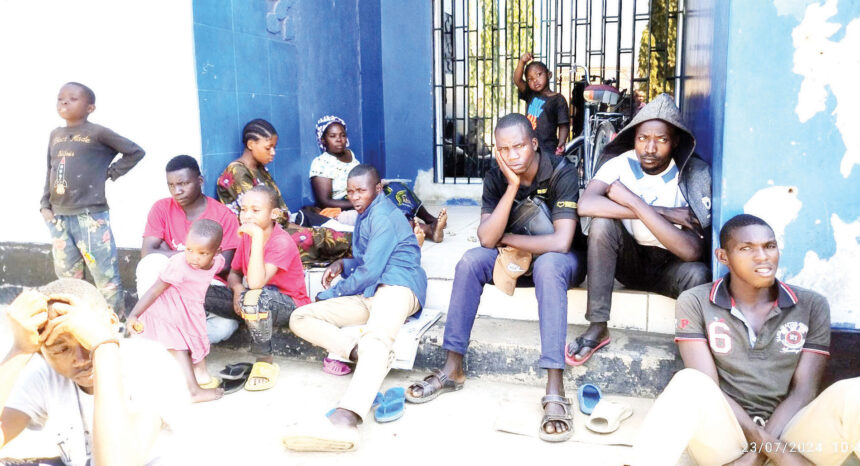
Amidst this evening routine, 48 asylum seekers from the Democratic Republic of Congo (DRC) have found temporary refuge at the Department of Immigration and Citizenship Services premises in Karonga District.
Among them are 17 children and 31 adults who claim to have fled war in the DRC and are seeking asylum in Malawi.
- Advertisement -
They lack basic amenities such as health facilities, water, food and shelter. For the past three weeks, they have slept in open spaces and on the veranda of the Immigration offices.
They await documentation that would allow them to stay at Karonga Transit Shelter and eventually move to Dzaleka Refugee Camp in Dowa District.
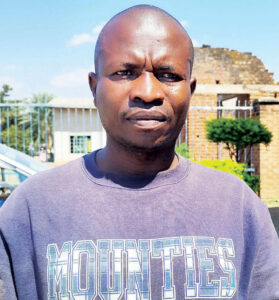
Twahapwa Holoshi, an asylum seeker in his 50s, left his village in the DRC six months ago. He is in Malawi with his three children and mother.
“We have been here for almost a month now and all we are told is to wait. Our situation is critical, but we have not received any help. Each day, we wake up and beg. We lack food, cannot bathe and fear for our children,” he says.
- Advertisement -
- Advertisement -
Holoshi fled Kivu Province in the DRC due to worsening security conditions.
Earlier this year, media reports highlighted violent clashes between the DRC’s army and Rwanda-backed M23 Tutsi-led rebels in eastern Congo, resulting in numerous deaths and displacement of hundreds of thousands of people.
During our visit on Tuesday, a six-month-old baby was seen in distress at Karonga Immigration office, with the mother stating the child had been unwell for several days.
At the transit shelter managed by the Department of Refugees, Msanje Ng’oma, a field officer, explained that the facility, established in 2002, helps with the movement of asylum seekers from Karonga to Dzaleka.
Ng’oma said no asylum seeker is admitted without documents from the Immigration Department.
“Previously, we used to admit them without papers, but we found they were making a habit of it. Now the government strictly requires proper documentation,” he said.
Ng’oma added that when the asylum seekers come with the documents, officers conduct interviews.
“We have a biometric system and two registration officers who screen them. Among other questions, we ask why they chose Malawi over other countries like Tanzania. Once satisfied, we accommodate them, though legally, we lack authority to deport them,” he said.
Asylum seekers typically stay a maximum of three weeks before being transferred to Dzaleka.
“Sometimes, depending on circumstances, we keep them longer than three weeks. After screening, we escort them to Dzaleka and inform UNHCR to arrange transport,” he added.
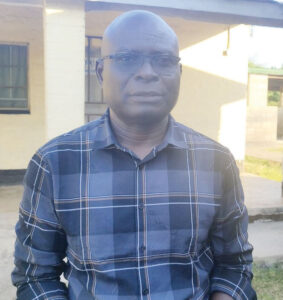
Ng’oma acknowledged delays in clearance by the Immigration Department.
“I can’t speak for them, but yes, there are delays. It can take three weeks or more. This complicates our planning,” he admitted.
The shelter, capable of housing approximately 300 asylum seekers, housed 20 Congolese during our visit.
Conditions have deteriorated, including halved food rations, according to Ng’oma.
Spokesperson for the Department of Immigration, Wellington Chiponde, said it was necessary for authorities to conduct thorough security checks for asylum seekers, following security protocols.
“We meticulously screen each case before admitting them to the Karonga Transit Shelter, mindful of security concerns,” Chiponde explained.
In addition to preliminary screening at the Department of Immigration, asylum seekers undergo further checks at the transit shelter and at Dzaleka by the Refugee Status Determination Committee.
Executive Director of Youth and Society, Charles Kajoloweka, weighed in on the situation, criticising the process hindered by what he called unconstitutional orders.
Describing it a severe violation of human rights needing urgent attention, Kajoloweka said his organisation has petitioned the Malawi Human Rights Commission to investigate.
“We urge the government and international organisations to swiftly uphold the rights and dignity of these individuals.
“Restoring a constitutional and humane asylum process is crucial, ensuring all asylum seekers receive the support they need,” he said. This is the situation as Malawi accedes to various protocols, including the 1951 Convention Relating to the Status of Refugees and the 1969 Organisation of African Unity Convention Governing the Specific Aspects of Refugee Problems in Africa.