By Pemphero Malimba:
CCAP Nkhoma Synod has urged Malawians to combine prayer with practical preparations for possible food shortages as the country faces the prospect of El Niño conditions later this year.
The call is contained in a pastoral letter signed by the Synod’s Moderator, Reverend Absalom Joseph Nyasulu and Senior Clerk, Reverend Armstrong Kuthyola Mwale.
The Synod says climate change and environmental degradation are contributing to worsening weather conditions and has warned that prayer alone will not address the threat of hunger.
It has urged members to embrace irrigation and plant early-maturing crops such as sweet potatoes, Irish potatoes and cassava to safeguard food supplies.
- Advertisement -
“Considering that you may have sweet potatoes and cassava now, you may keep maize, soya beans and groundnuts so that you may eat them in future,” the letter says.
The Synod has also urged those with food stocks to avoid selling them unnecessarily.
It warned that hunger could have wider social and spiritual consequences.
“A hungry person cannot go to church; a hungry person is someone whose anger cannot lead him to salvation. Hunger kills people even those who pray,” it says.
- Advertisement -
- Advertisement -
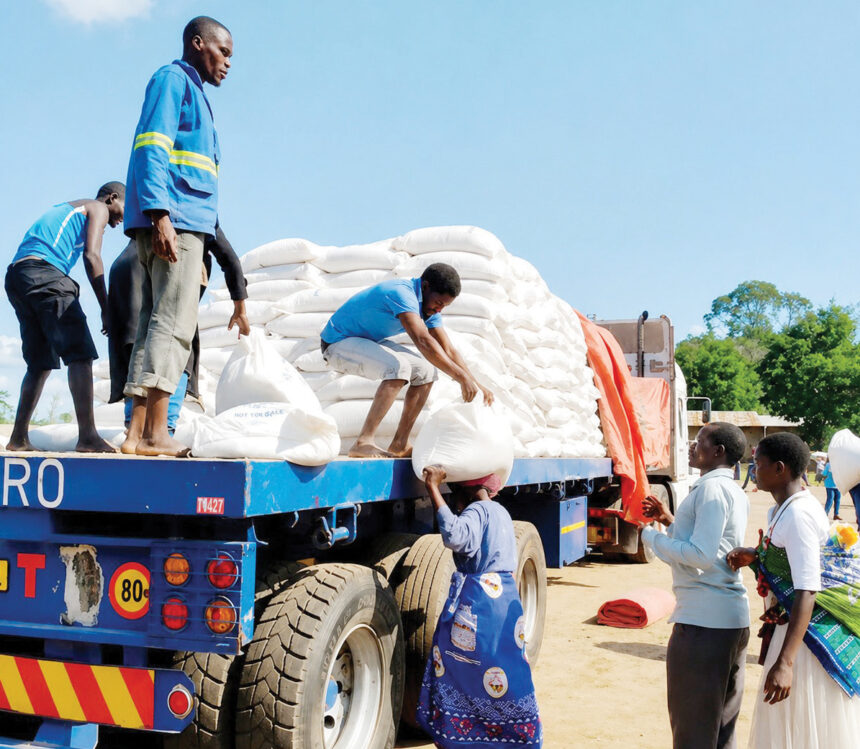
The Synod also cautioned members against relying on government relief food.
An El Niño Preparedness Brief released in June by the Ministry of Natural Resources said Malawi is expected to experience below-normal rainfall, particularly in southern districts.
It also projected an above 80 percent probability of below-normal rainfall in December in some areas.
From January to March next year, there is up to a 60 percent chance of below-normal rainfall, with fewer rainy days.
The brief shows that previous strong El Niño episodes left 2.8 million and 4.2 million people food insecure respectively.
However, a recent Malawi Vulnerability Assessment Committee report estimates that 2.6 million people will be unable to meet their annual food requirements during the 2026-27 lean period, representing 14 percent of the projected national population.
The figure is 35 percent lower than the four million people estimated to be food insecure in 2025.
The report attributes the decline to increased maize production, which is expected to reach 3.3 million tonnes this year, up from 2.85 million tonnes last year.