The tobacco marketing season opens next week, bringing with it a wave of anticipation across farming communities and within the broader economy.
Growers are looking to the auction floors with cautious optimism, hoping that this year will deliver stronger returns and a measure of financial relief.
The early signals suggest a more encouraging season than those of recent years. Production has risen following improved growing conditions and expanded cultivation, while global supply disruptions in other tobacco producing countries have tightened availability on the international market.
This combination has created expectations of firmer prices, raising hopes among farmers that their efforts will translate into better earnings.
The truth is that tobacco growers have been navigating a difficult environment. The cost of inputs such as fertiliser, chemicals and labour has remained high, often eating into already thin margins.
- Advertisement -
In previous seasons, many farmers expressed frustration over low prices that failed to match the rising cost of production.
As a result, this year’s opening carries heightened significance, with growers keenly aware that a favourable market could help them recover from recent setbacks.
There is also a broader economic dimension shaping expectations around the season.
Tobacco continues to anchor Malawi’s export economy, generating a substantial share of the foreign exchange that the country relies on to finance imports.
- Advertisement -
- Advertisement -
Forex shortages have disrupted business operations, limited the availability of essential goods and contributed to exchange rate pressures.
A strong tobacco season is widely seen as a potential turning point, with increased export earnings expected to ease some of these constraints.
If the anticipated revenues materialise, the benefits could extend beyond the agricultural sector.
Improved forex inflows would support import dependent industries, stabilise supply chains and ease pressure on the local currency.
Businesses that have struggled to access dollars may find conditions gradually improving, while consumers could experience some relief from the knock-on effects of scarcity and rising costs.
Policymakers too will be watching closely, aware that the performance of the tobacco market often shapes the broader economic outlook.
At the same time, the underlying challenges within the sector remain difficult to ignore.
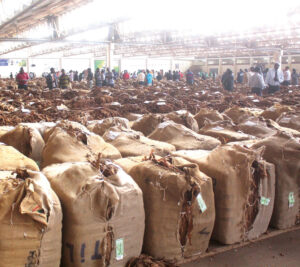
Tobacco production has been declining in relative importance over the years, even as it retains its central role in export earnings.
The number of farmers involved has decreased, reflecting both shifting economic realities and the pressures associated with the crop.
For those who remain, profitability is not guaranteed. Variability in prices, grading disputes and the structure of the marketing system can all influence the final income that farmers take home.
These structural issues are compounded by long-term global trends. Anti-smoking campaigns and regulatory measures in many parts of the world continue to reduce tobacco consumption over time.
While short-term market conditions may fluctuate, the broader direction points towards a gradual contraction in demand.
This has prompted discussions about diversification, with stakeholders encouraging a transition towards alternative crops that may offer more sustainable prospects in the years ahead.
Despite these concerns, tobacco retains a powerful presence in Malawi’s economic and social landscape.
Entire communities are organised around its production cycle and the marketing season remains a critical period in the national calendar.
This year, the stakes feel particularly high. Farmers are hoping for prices that reflect both the quality of their leaf and the realities of their investment.
Businesses are looking to the sector for much needed forex. Government is seeking a degree of economic stabilisation in a challenging environment.
Each of these expectations converges on the success of the marketing season.
There is, however, a growing recognition that reliance on tobacco carries inherent risks.
Efforts to expand production and maximise earnings in the short term are unfolding alongside policies aimed at encouraging diversification.
This dual approach reflects the balancing act that Malawi continues to manage, drawing on tobacco’s strengths while preparing for a future in which its dominance may diminish.
Well, as the marketing season begins, attention will focus on the prices offered, the volumes sold and the overall flow of earnings into the economy.
Early momentum will shape confidence, influencing decisions by farmers and traders alike.
A strong start could reinforce optimism, while weaker outcomes may revive concerns about the sector’s resilience.
For now, the mood remains hopeful. The combination of higher production, improved demand conditions and the pressing need for forex has created a sense that this season could mark a positive shift.
Whether that optimism is borne out will depend on how the market unfolds in the coming weeks.
What is clear is that the opening of the tobacco marketing season once again places the crop at the centre of Malawi’s economic story.