UTM president Dalitso Kabambe has said time has come for Malawians to reclaim their future.
In his New Year message, Kabambe urged Malawians to look beyond the “despair” of last year and hope for a brighter future.
He said 2025 is a year in which to fix the economy.
The UTM leader said Malawians should not ignore the decline in quality of life which they observed or the debt burden that hangs over them like a heavy cloud.
“We must fix our economy, invigorate our foreign policy and break the chains of nepotism, regionalism and tribalism that hinder our progress.
- Advertisement -
“We must actively reject corruption and cronyism, choosing instead to build a nation that is inclusive, fair and just—one that thrives on the strength of our diversity,” Kabambe said.
According to Kabambe, time had come for Malawians to unite in purpose, driven by an unwavering desire for a better Malawi—a Malawi that embodies the true spirit of democracy, justice and freedom.
“Together, we shall rise. Together, we shall forge a new path—not just for ourselves, but for every Malawian who dreams of a brighter future. Let us march forward into this New Year, armed with courage and resolve, preaching a message of real change for the betterment of our people.
“Today, we stand as rightful owners of the transformation agenda—a successful and progressive Malawi awaits us. The time for change is now, and it begins with each and every one of us,” he said.
- Advertisement -
- Advertisement -
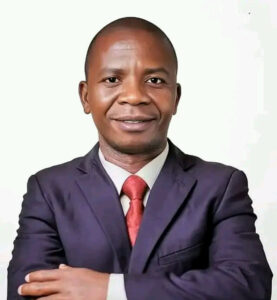
Malawians are expected to go to the polls on September 16 to elect a president, lawmakers and ward councillors.
And, in his New Year message, presidential aspirant Milward Tobias said 2025 offers Malawians a rare opportunity to decide the type of country they want.
He described this year’s elections as a choice between the status quo and change.
“I have come in politics to dismantle the mafia empire we have had and to lay a foundation for politics that is grounded on integrity, competence and service to humanity; politics in which those in leadership make sacrifices in serving others. We are dismantling politics in which the sacrifice borne by citizens is more than the service political leaders offer citizens.
“I have come so we can address, once and for all, the basic needs that have preoccupied our development planning for six decades spanning six presidents. This we are doing so that the next leaders will focus on high-transformative development projects,” Tobias said.