Trade deficit—a negative difference between exports and imports—further widened in the second quarter of 2023.
Figures from the Reserve Bank of Malawi (RBM) show that during the quarter, merchandise trade was estimated at a deficit of $272.0 million from minus $165.5 million during the preceding quarter.
This is also compared to a shortfall of $252.2 million recorded during a similar period of 2022.
In its latest Financial and Economic Review issued on Wednesday, the central bank says the wider deficit was a result of growth in import demand while exports remained relatively stable.
“Specifically, the quarter registered a $7.0 million drop in exports to $140.2 million and a surge in imports of $99.5 million to $412.2 million,” the report reads.
- Advertisement -
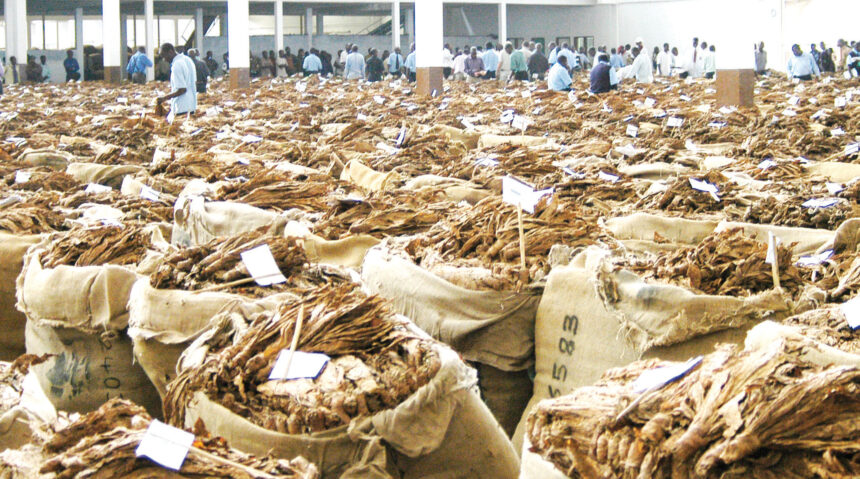
Ironically, the deficit widened at the peak of the selling season for tobacco, Malawi’s top export crop.
Total tobacco earnings jumped by 55 percent to $282.62 million this year from $182 million in 2022, thanks to improved volumes and prices.
This year, the leaf fetched an average price of $2.35 per kilogramme (kg), which was much better than the $2.14 per kg the green gold attracted last year.
Meanwhile, the country is at the peak of the lean season where demand for imports surges as the level of exports shrinks.
- Advertisement -
- Advertisement -

Financial Market Dealers Association President Leslie Fatch believes it is high time Malawi worked towards diversifying its export base.
He said at $250 million per month, Malawi’s import bill remains too wide as the country continues to grapple with an acute forex shortage.
“We have said, time and again, that we have to abandon this overdependence on tobacco and look at other exports that can help the country, apart from making sure that we are able to produce what we consume,” he said.
Malawi, an agrarian economy, remains a net importer and its insatiable appetite for foreign goods keeps piling pressure on forex reserves.