





By Mercy Matonga:
As Malawi braces for what meteorologists predict could be the strongest El Niño on record, the United Nations Children’s Emergency Fund (Unicef) has called for urgent funding to support women and children.
The organisation says millions of children could face increased risks of hunger, malnutrition, cholera and disruptions to education in Malawi and neighbouring countries.
In a statement released yesterday, Unicef says erratic rainfall, prolonged dry spells and localised flooding are expected between October 2026 and March 2027.
Speaking through the statement, Unicef Representative in Malawi Penelope Campbell says early intervention is critical to protecting children before the situation deteriorates.
- Advertisement -
“We can see this climate crisis coming; so, we have a choice. If we act now, we can screen and treat children for malnutrition, keep water safe and keep children learning before roads are cut off and before needs peak. Waiting would cost more in money, and in children’s lives and futures,” Campbell says.
Campbell also warns that reduced food availability and poor diets can increase cases of severe malnutrition among young children, while repeated diarrhoea can further expose them to life-threatening complications.
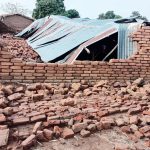
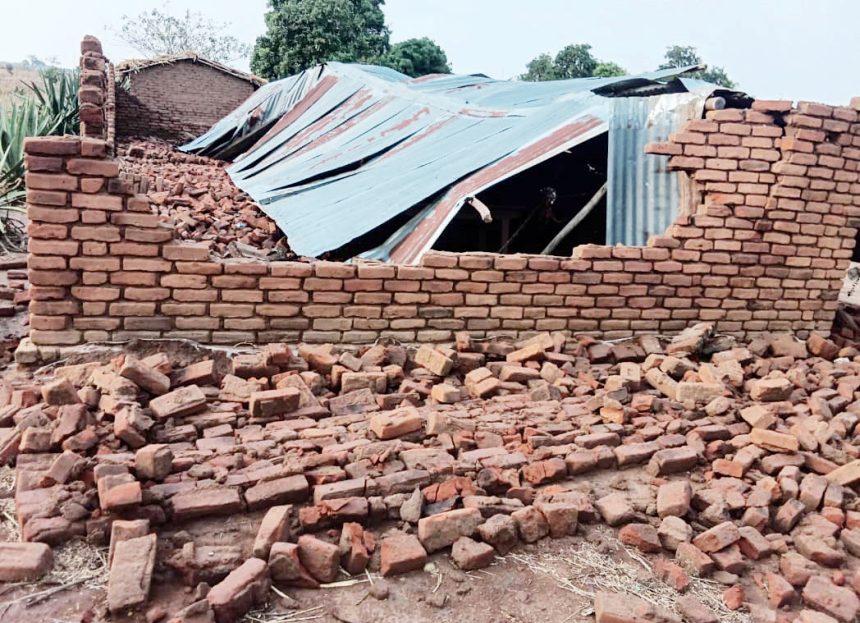
On education and child protection, Unicef warns that damaged or flooded schools can disrupt learning for weeks, while hunger and displacement can expose children to violence, exploitation, child labour and early marriages.
“Acting early is better value. Every $1 spent on reducing disaster risk saves up to $15 in recovery costs. Every $1 invested in nutrition returns about $23. Flexible support now lets us prevent harm, not just respond to it,” she adds.
- Advertisement -
- Advertisement -
The interventions include screening 571,323 young children for malnutrition and treating 17,831 children with severe malnutrition.
However, the organisation says it needs S$7.61 million to implement its preparedness and response plan between August 2026 and March 2027.
So far, Unicef has secured $2.07 million, leaving a funding gap of $5.54 million, representing 73 percent of the required resources.
Through the plan, Unicef targets to directly reach 958,172 people in nine high-risk districts of Balaka, Blantyre, Chikwawa, Machinga, Mulanje, Mwanza, Nkhotakota, Nsanje and Phalombe.
