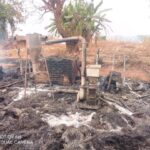
The United Nations (UN) has weighed in Malawi on the food security crisis in, saying it is working with its partners to provide support to those badly in need.
Stephane Dujarric, spokesperson for UN Secretary-General Antonio Guterres, was speaking on Thursday during an update which was one of the daily press briefings by Dujarric’s office.
“We and our partners are supporting the government to respond to severe drought, which has prompted national authorities to declare a state of emergency in 23 of Malawi’s 28 districts.
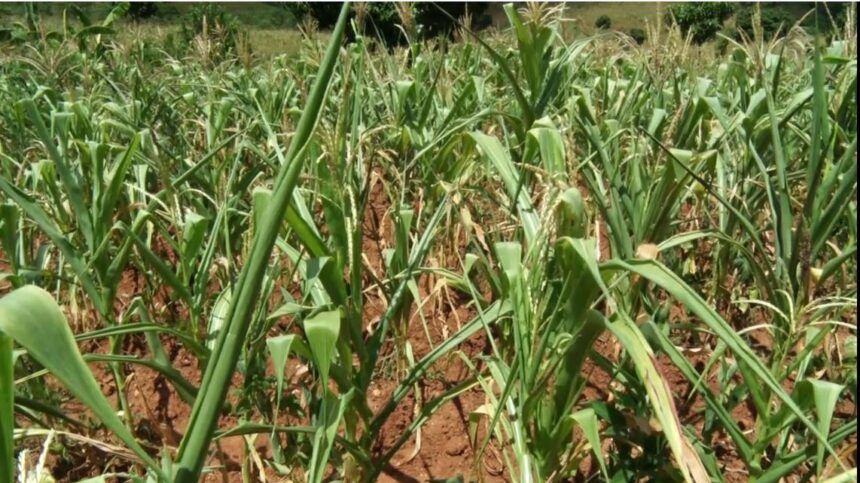
“Nearly two million farming families, that’s almost nine million people, and more than 40 percent of the country’s agricultural land, has been impacted by El Niño, with rains and prolonged dry spells, as well as flooding, severely damaging crops and food production,” Dujarric said.
He added that the humanitarian community in Malawi is scaling up emergency assistance, including food and nutrition supplies as well as water, sanitation and hygiene support.
- Advertisement -
They are also providing health, protection, education and livelihood assistance, despite limited funding, according to Dujarric.
On March 23, 2024, President Lazarus Chakwera declared a state of disaster in the 23 districts and appealed for urged support from the international community, development partners and locals who have anything to spare.
He said Malawi urgently needs more than $200 million (K350 billion) for providing food aid to those affected by the disaster.
In the address, Chakwera said 749,113 hectares of maize had been affected.
- Advertisement -
- Advertisement -
“Other important crops like rice, soya beans, cowpeas and groundnuts have also been affected. This is devastating.
“It would have been devastating enough if this was the first disaster to befall us in recent times. But unfortunately, in the four years that I have been your President, this is the fourth time I have had to declare a state of disaster,” he said.
The President added that the donations would be coordinated by his office through the Department of Disaster Management Affairs.
In February this year, Zambia also declared a national disaster after lack of rains devastated the agriculture sector, affecting more than one million families.
The country had gone without rain for five weeks at a time when farmers needed it most, according to President Hakainde Hichilema.