Two publications released by the World Health Organisation (WHO) have indicated that older women and women with disabilities face particular risk of abuse, yet their situation is largely hidden in most global and national violence-related data.
The health agency is calling for better research across countries that will help ensure these women are counted, and that their specific needs are understood and addressed.
It says where there is evidence on gender-based violence (GBV) among these groups, data shows high prevalence.
One systematic review found greater risks of intimate partner violence for women with disabilities compared with those without, while another also found higher rates of sexual violence.
“Older women and women with disabilities are under-represented in much of the available research on violence against women, which undermines the ability of programmes to meet their particular needs,” Lynnmarie Sardinha, Technical Officer at WHO, said.
- Advertisement -
Sardinha is also technical officer at the United Nations Special Programme on Human Reproduction for Violence against Women Data and Measurement and author of the publications’ briefs.
“Understanding how diverse women and girls are differently affected, and if and how they are accessing services, is critical to ending violence in all its forms,” she said.
According to WHO, intimate partner and sexual violence are the most common forms of GBV globally and affect around one in three women.
The healthy agency adds that older women and women with disabilities are still subjected to these types of violence, but also face specific risks and additional forms of abuse, sometimes at the hands of caregivers or health care professionals.
- Advertisement -
- Advertisement -
Among women aged 60 years and older, a review conducted by WHO found that physical and or sexual intimate partner violence remained the most frequently experienced forms of abuse.
However, the review found that as partners aged, some women reported a shift from predominantly physical and or sexual violence to psychological violence, including threats of abandonment and other controlling behaviours.
Older women and women with disabilities can be extremely isolated when violence occurs, making it more difficult for them to escape and report the abuse, WHO says.
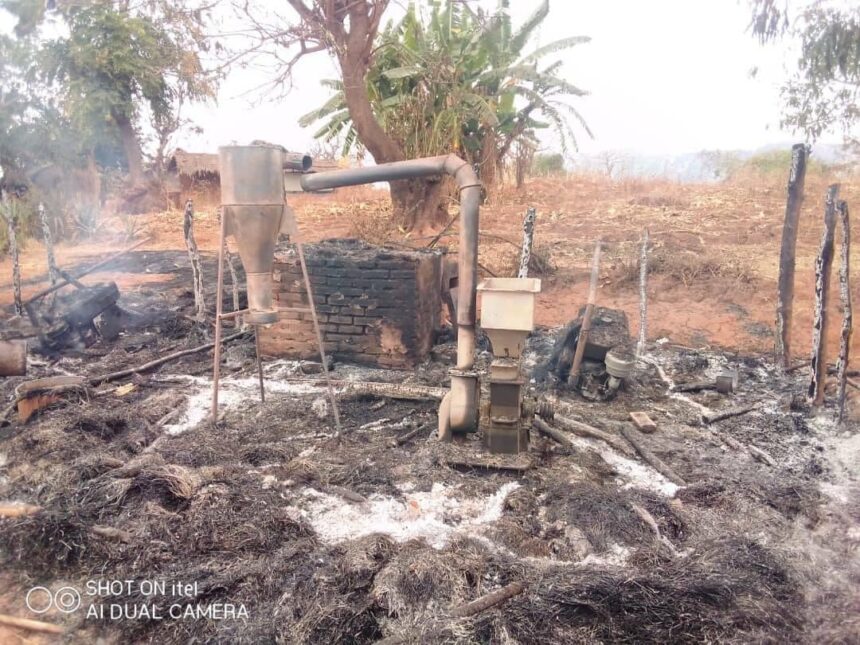
In Malawi, reports about the elderly, particularly women, being lynched based on witchcraft accusations have been made several times.
According to the Malawi Network of Older Persons’ Organisations (Manepo), the elderly continue to face abuse simply because of their age.
Manepo has been challenging the legitimacy of accusations directed at the elderly based on the belief of witchcraft.
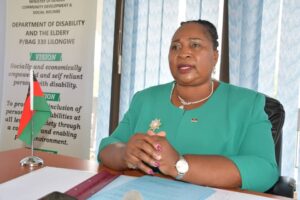
“The Constitution protects every Malawian regardless of age, yet the elderly are not enjoying that, and we cannot continue at that pace,” the organisation’s executive director Andrew Kavala said in January this year at a press briefing organised by the Ministry of Gender.
At the event, Minister of Gender Jean Sendeza said government was alarmed by the rising spate of attacks on the elderly, with 25 killed between January 2023 and January 2024.
Sendeza condemned the acts of brutality and promised to take to Parliament the proposed Older Persons Bill that will stiffen punishment for perpetrators of the abuse.
She said once enacted, the bill will serve as a pivotal tool in fortifying the legal framework for the protection of the elderly which “is currently unclear”.