







By Deborah Madeya:
The World Food Programme (WFP) has urged the Malawi Government to invest in resilience, preparedness and nationally led solutions to reduce the impact of El Niño.
This comes at a time when the agency recently warned that about five million people risked facing hunger in 2027 due to the lingering impacts of El Niño.
In its recent publication, titled ‘WFP 2027 Global Outlook: Meeting Today’s Needs and Investing in Tomorrow’s Solutions’, the agency says it would require about $136.6 million to provide humanitarian assistance to Malawians in 2027.
However, the agency faces funding constraints, aggravated by shrinking donor aid.
- Advertisement -
The organisation says although 102 million people in Eastern and Southern Africa will be affected by hunger, only 33 million are being targeted for assistance.
“WFP will prioritise people facing emergency and catastrophic levels of food insecurity,” the report states.
The organisation further notes that global food commodity prices could rise by up to 9 percent during a strong El Niño event, hence the need for governments to prepare.
“WFP cannot address today’s food security challenges alone. Progress will depend on a broader coalition of governments, donors, international financial institutions, the private sector, foundations, local organisations and communities, working together. This means investing not only in emergency response, but also in nationally led solutions, local capacity and stronger food systems that can deliver lasting results,” the report reads.
- Advertisement -
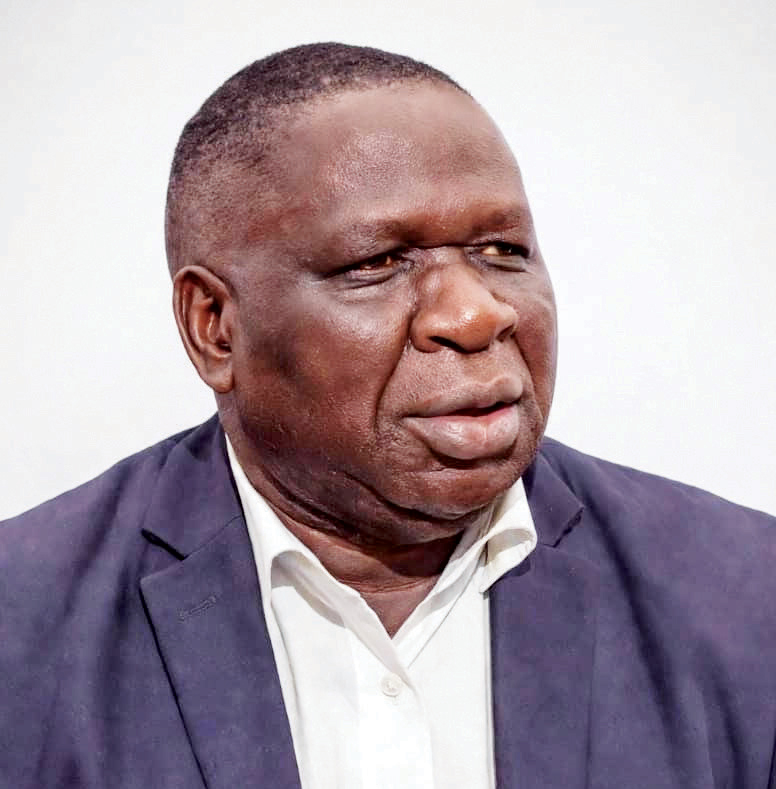
Commenting on the development, Centre for Humanitarian Assistance and Social Protection Executive Director Kenneth Sakala called on the government to promote climate-smart agriculture and invest in social protection ahead of 2027.
“Our data show that even households which got anticipatory cash stayed hungry when maize prices spiked by 47 percent. Cash alone will just inflate prices. Pair it with pre-positioned grain reserves and fix the gender gap because female-headed households— who are 61 percent of the poorest—got half the protection from the same payout. If we do gender-neutral response again, we will leave two million women behind,” Sakala said.
