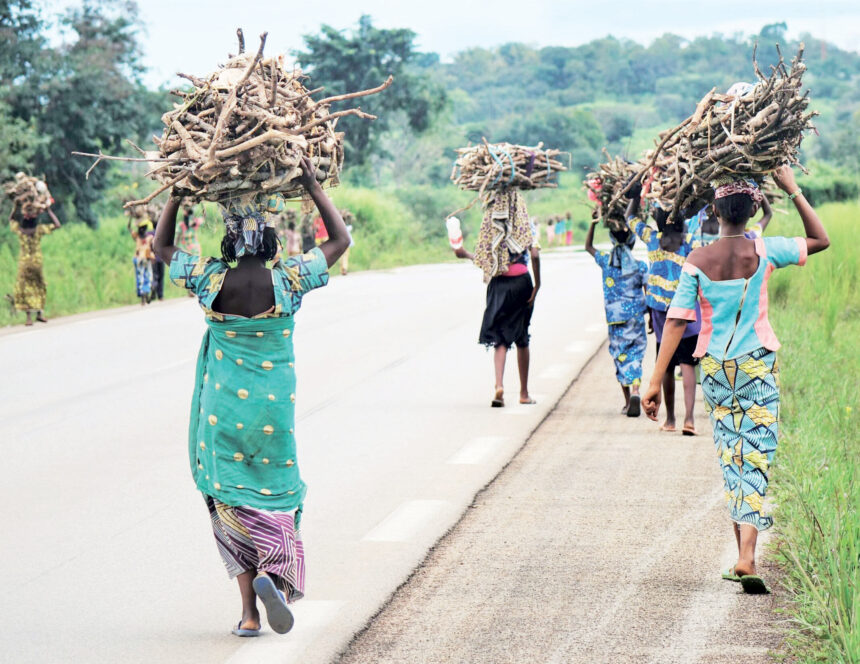
When the first light of day touches the dry fields of Chikwawa, 48-year-old widow Anne Gama begins a journey she now makes every morning.
She lifts an empty bucket, ties her youngest child onto her back and starts walking.
Her destination is not a market or a clinic but the nearest place where she can find water and firewood, resources that used to be just a short distance from her home.
“I never imagined life would be like this. Our forests are gone. The streams we depended on have dried up. Every day we walk further,” Gama says.
She is a mother of seven. She remembers a time when her village was covered with trees, crops grew easily and wild animals were still around.
- Advertisement -
But many years of cutting trees for charcoal and firewood, combined with severe weather events, have changed everything.
Cyclones Freddy, Ana and Gombe destroyed homes, washed away crops and displaced thousands of families, including hers.
“After the cyclones, nothing was the same. Some people lost their houses. Children left school. Hunger became our biggest problem,” Gama adds.
Her experience is not unique. Across the country, countless women face the same struggles as they try to survive the growing impacts of climate change.
- Advertisement -
- Advertisement -
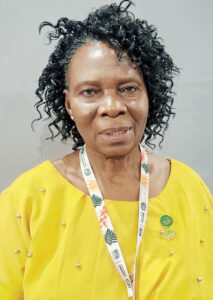
More than 900 kilometres away in Karonga, Edith Mwakasungula shared a similar story during the recently concluded United Nations Climate Change Conference (COP30).
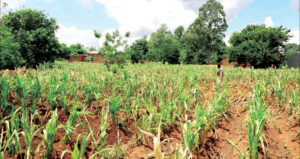
“Like many farmers in northern Malawi, we have been watching our crops fail again and again due to changing rainfall patterns.
“Climate-related events have affected our food production. Many Malawians are struggling to put food on the table because of climate change,” Mwakasungula said.
She added that fields that once produced enough maize for a family now produce very little. When rains are delayed or come in heavy storms, farmers are left with nothing.
Mwakasungula says women and girls suffer most because they are the ones who must search for food, water and firewood when households run short.
“Sometimes we walk many hours. Women are really struggling,” she says.
Studies by the Ministry of Gender and the UN Development Programme (UNDP) show that women are already facing greater climate impacts than men.
When water sources dry up, it is women who walk long distances to find it. When families lose income, girls are the ones who drop out of school. When disasters strike, women’s unpaid care work increases as they look after the sick, elderly and children.
Health officials warn that climate-related diseases such as cholera, malaria and respiratory infections affect women and children even more.
This is because they spend more time in crowded camps during disasters, walk long distances in unsafe areas and have limited access to health services.
“Climate change is now a gender issue. Women face the harshest consequences yet they are also at the centre of finding solutions,” Fred Simwaka, a Deputy Director in the Ministry of Gender, says.
Simwaka says Malawi cannot solve climate challenges without including women in community decision-making and national climate policies.
To respond to these inequalities, Malawi has developed the National Climate Change Gender Action Plan (2025–2030).
The plan aims to ensure women are protected and supported in all climate programmes.
It focuses on gender-responsive budgeting, better climate data systems, climate-smart agriculture, women’s leadership in community decision-making and access to clean and renewable energy.
Officials say the plan will also help Malawi align its work with global commitments under the UN Framework Convention on Climate Change and UNDP’s Gender Equality Framework.
One area showing strong results is renewable energy. Solar and hydro mini-grids supported by UNDP are creating new opportunities for rural women.
In Malawi, 38 percent of the population has access to electricity and in rural areas only six percent have access, with women disproportionately affected due to socio-economic barriers.
UNDP Gender and Development Specialist Juliet Sibale indicated during her presentation of Malawi’s best practices on women being transformative in addressing climate change challenges at a COP30 side event that “interventions on energy supply in rural areas need to ensure a gender-responsive approach so that rural women, who are most affected by climate change, have a chance to improve their livelihoods and those of their children through access to energy.”
Through Access to Energy projects by UNDP and Powering Gender Equality, which aim to empower rural women with access to energy in Rumphi and Dedza, women are now running small businesses such as bakeries, rice mills and agro-processing ventures.
For instance, Mtende Women Cooperative Group in Msuku village, Traditional Authority Mwalweni in Rumphi, who were supported to migrate from a biomass-based bakery to using hydro energy from a nearby river, are now flourishing in producing high-quality bread for their community and up to the University of Livingstonia.
During the gender impact assessment of the project, chairperson of Mtende Women Group Elesia Kalua said as women they are economically empowered as they are successfully running both individual and group businesses.
Through their village savings and loans group, their revenue keeps increasing, expanding both group and individual businesses.
“We were encouraged by the women’s behavioural transformation when they procured a mini cooker to demonstrate that they understood the environmental and health hazards of using firewood and appreciated the advantages of using clean energy for their business.
“This motivated us to provide them with industrial bakery equipment and in a few months their business expanded, their revenue increased and they trained additional women who admired their work,” Sibande said.
One member of Mtende Women’s Group, operating her own shop with her husband, indicated that having the bakery close by reduces her travel costs and that it sells fast because the bread is of high quality.
“From both the group business and the grocery shop, which also runs on the group VSL revenues, I have been able to build a family house, a house for rent and additional land for farming,” she said.
In Dedza, in the mini-grid solar-powered communities of Mthembanji and Dembe, over half of the appliance loans offered through these projects have been taken by women and none of these loans have defaulted.
Officials say this shows how hardworking and reliable rural women are when given the chance.
The groups have diversified into several types of business, including climate-smart agriculture. The assessment indicated that operating in a cooperative group has given them financial muscle to access land and resources for farming twice a year.
“We are able to farm because we have money. Otherwise, most people in our village fail to buy fertiliser or rent land for farming.
“We are grateful to UNDP because with the cooperative business, which also powers our individual businesses through VSL, we are sending our children to school and we ensure that our children cannot fail to be educated for lack of school needs. As parents, this business is helping us a lot.
“We are expecting to harvest a bumper yield of rice from irrigation because we managed to buy adequate fertiliser,” chair of the group, Jane Katsoka, said.
She added that the group is currently selling its rice harvest from the last rainy season.
Back in Chikwawa, Gama is not waiting for help to come. She volunteers in small reforestation groups that plant new trees near riverbanks and farms. She also encourages parents to keep their girls in school, even after disasters.
“To rebuild our environment, we must start with ourselves. If the trees come back, maybe the water will come back too,” she says.
Her biggest dream is to see her village return to life, a place where girls can grow up safely, where women do not walk long distances and where forests stand tall again.
“We have suffered. But I believe that if women stand together, we can heal our land,” Gama says.
Stories like these remind the country that climate change is not just a scientific or policy issue. It is a daily struggle for ordinary Malawians, especially women, who are losing forests, water, crops and income.
As Malawi participates in global climate discussions, the experiences of rural women shed light on what is at stake.
Without strong action, more families will face hunger, more girls will drop out of school and more communities will face long, painful recoveries after each disaster.
But with proper support, experts believe women can become powerful drivers of change. They are already leading in reforestation, community planning, farming innovations and renewable energy.
For now, Gama continues her long walks each morning. But she keeps hope alive. “I do this for my children. One day, things will get better,” she sums up.