The World Bank says it has lined up a number of measures to assist Malawians, particularly the vulnerable section, cushion from effects of last week’s 44 percent Kwacha devaluation.
In an interview on Tuesday, World Bank Country Manager Hugh Riddell said the Bretton Woods institution is supporting the Emergency Urban Cash Transfer with $60 million; funds being drawn from the Multi-donor Trust Fund.
Riddell was speaking on the sidelines of an inspection of projects through which the World Bank is supporting vulnerable households in Karonga District under the Social Support for Resilient Livelihoods Project.
“In the future the government is rolling out the Emergency Urban Cash Transfer programme to about 105,000 households in four urban areas. And that is specifically designed to cushion those vulnerable households in those areas who were hit by commodity price increases, fuel hikes, among others. So, we are doing our utmost to support the vulnerable,” he said.
Riddell said the World Bank is also working with commercial banks to allow the government to import strategic commodities such as fertiliser by backstopping Letters of Credit on the financial market.
- Advertisement -
Last week, Smallholder Farmers Fertiliser Revolving Fund of Malawi Chief Executive Officer Richard Chikunkhuzeni told the Parliamentary Committee on Agriculture that the government is banking on $33 million that would come from Ecobank if the Letter of Credit is confirmed.
The $33 million is part of a $100 facility the government is negotiating with Ecobank.
He also disclosed that negotiations have started where the bank will be helping the country through budgetary support.
“If we have strong safety nets, we believe it is going to be a much faster way to recover to growth in the future. We are shoulder to shoulder with Malawi at this time,” he said.
- Advertisement -
- Advertisement -
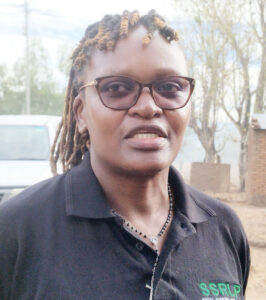
In her remarks, Director Responsible for Poverty Reduction and Social Protection in the Department of Economic Planning and Development Kate Langwe said the interventions that were announced recently by the government will be implemented.
Following the devaluation, the government announced eight key measures to cushion Malawians
They included engagement with public trade unions to review salaries in the public sector, continuation of the implementation of Tropical Cyclone Freddy recovery interventions in the Southern Region targeting 184,920 households, who will receive K150,000 each.
The government also increased Social Cash Transfer beneficiary coverage from the current 10 percent to 15 percent of the population; that is, from two million to three million people.