The World Bank has reiterated the call for Malawi to build foreign exchange reserves, balance the budget, improve on public financial management systems, and achieve debt sustainability among steps towards economic stability and growth.
This came out during the launch of the 18th Malawi Economic Monitor (MEM), a biannual publication which dissects local economic trends, titled Turning the Corner.
Among other things the MEM notes that the local economy is estimated to have marginally grown by 1.6 percent in 2023 due to rising inflation and foreign exchange shortages throughout the year, which contributed to a weak business environment.
It further highlights that many Malawians feel the pinch as the unemployment rate remains high.
Figures provided show that approximately 71.7 percent of the population were estimated to be living below the international poverty line and one in every five are expected to experience crisis-level food insecurity during the lean season.
- Advertisement -
“There is a need to bolster macroeconomic stability with ongoing macro-fiscal reforms which need to be sustained and fully implemented, focusing on rebuilding foreign reserves, enforcing fiscal discipline, enhancing public financial management, improving debt management and increasing flexibility in exchange rate management,” the report reads.
It says with heightened risk of extreme weather events and food insecurity, it will be essential to move forward with the implementation of the expanded social cash transfer and climate-smart public works programmes.
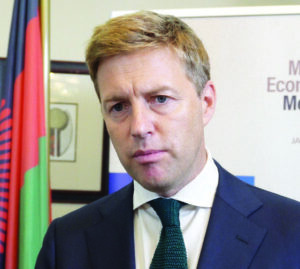
World Bank Country Manager Hugh Riddell said some of the recommendations have already been employed by the government while some need to be implemented under the International Monetary Fund’s four-year Extended Credit Facility (ECF).
“Debt reduction is a critical part of the ECF programme with the IMF. Remember that the IMF programme covers a period of four years. So, the key question is, is the government going to be committed over that full four-year period to pursuing these multiple goals, including reducing debt?” Riddell said.
- Advertisement -
- Advertisement -
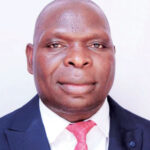
Secretary to the Treasury Betchani Tchereni said the country has made headways in debt restructuring, stressing that the process will not affect domestic debt.
“We are doing quite well in that area. We have done a number of things which I do not want to divulge because they are not public yet. These are contractual issues; so, you do not just say anyhow.
“The good thing is that we are doing two things which are important: first, we are rationalising our revenue collection and second, we are looking at exports through enhanced production,” Tchereni said.
The MEM also examines the relationship between Malawi’s natural capital, in the form of watersheds, and its economy.
It notes that, currently, the country’s watersheds are severely degraded, hence the need to improve how watersheds are managed and used to open opportunities to improve the country’s economic performance, build resilience to climate risks and support more reliable and sustainable livelihoods for many households, including the poorest.