At least 45,000 families remain displaced across Malawi due to climate-related disasters, the International Organisation for Migration (IOM) has revealed.
The disclosure was made Monday during the launch of the Regional Responses to Climate Displacement (RE2CLID) Programme, a regional initiative that is covering Malawi, Mozambique, Madagascar, Mauritius, Comoros and Seychelles.
Speaking at the event, European Union (EU) Ambassador to Malawi Daniel Aristi-Gaztelumendi announced that Malawi would receive €17 million under the programme to address climate-induced displacement and strengthen resilience to climate shocks.
Skinnebach said the initiative was designed to help community members prepare for climate-related disasters before they occur rather than responding only after damage has been done.
“This programme is about making communities ready to anticipate climate distortions. Instead of reacting to the bad consequences, we are preparing communities to anticipate and address climate shocks,” he said.
- Advertisement -
He described the project as one of the largest climate and displacement interventions in the region.
According to Aristi- Gaztelumendi, the cluster involving Malawi and five other countries has a budget of nearly €50 million, with €17 million specifically allocated to Malawi.
“We will be working at different levels with the government, the United Nations, local communities and other partners to address the issue of climate displacement,” he said.
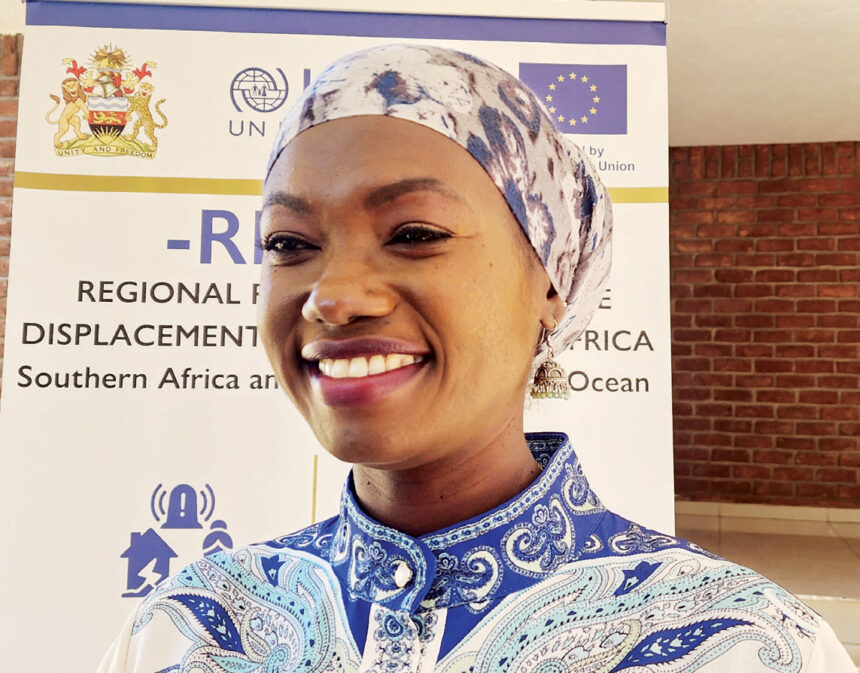
IOM Chief of Mission Fatma Said said climate-induced displacement remained a major challenge in Malawi, with thousands of families still unable to return home following recent disasters.
- Advertisement -
- Advertisement -
“According to the International Displacement Monitoring Centre, as of May this year, about 45,000 families are displaced in different areas of Malawi,” Said said.

The programme has a four-year implementation period.
Natural Resources Minister Patricia Wiskes said climate change and environmental degradation continued to threaten livelihoods, economic productivity and the wellbeing of vulnerable communities across the country.
“The last 10 years have seen an increase in the frequency and severity of disasters owing to increased climate variability and deterioration of our environment and ecosystems,” Wiskes said.
She said recurring floods and droughts had resulted in the loss of lives, homes, livelihoods and infrastructure, with some families experiencing repeated displacement.
In some areas, notably Nsanje and Chikwawa districts, community members were considering relocation because it was no longer safe to remain in high-risk locations.