By Patrick Nyirenda:
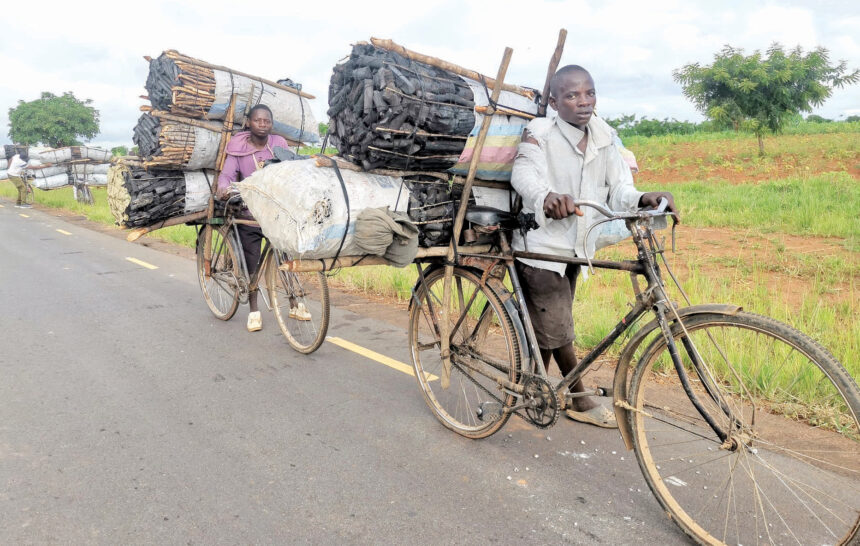
The Ministry of Natural Resources confiscated more than 60 vehicles in 2025 after courts ruled that they were illegally transporting charcoal.
Ministry spokesperson Tikondane Vega said the vehicles were seized following successful prosecutions, with offenders also facing jail terms.
He said the ministry plans to refurbish and construct forest camps nationwide to strengthen law enforcement, although the initiative is awaiting funding despite the completion of designs.
Vega added that enforcement of charcoal regulations is being undermined by the growth of organised criminal networks.
- Advertisement -
Environmentalists say enforcement measures alone are insufficient. Environmentalist Gresham Kamnyamata said government should promote alternative energy sources such as cooking gas while also addressing corruption at roadblocks.
“The confiscation and arrest of offenders is not something for the country to take pride in; rather, it is the initiatives introduced to put an end to this issue,” Kamnyamata said.
Social commentator Wonderful Mkutche said charcoal trading would persist as long as unemployment forces many people to depend on it for their livelihoods.
“The government should create business opportunities for those who depend on charcoal trading instead of simply arresting offenders,” Mkutche said.
- Advertisement -
- Advertisement -
Malawi’s Forest Act of 2020 imposes a fine of K5 million or up to 10 years in prison for the illegal possession of charcoal, yet the fuel remains widely used in both rural and urban areas.