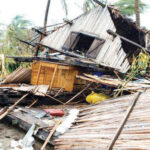
Carbon sequestration, climate change and disaster risk reduction are intertwined in their impacts and solutions, forming a complex nexus of environmental sustainability and resilience-building efforts.
Carbon sequestration involves capturing carbon dioxide from the atmosphere and storing it in various reservoirs, such as forests, oceans, soil and geological formations. This process helps mitigate climate change by reducing the concentration of greenhouse gases in the atmosphere, thereby mitigating global warming and its associated impacts.
Climate change refers to long-term alterations in global or regional climate patterns, primarily driven by human activities such as burning fossil fuels, deforestation and industrial processes.
The accumulation of greenhouse gases, including carbon dioxide, in the atmosphere leads to global warming, rising sea levels, altered precipitation patterns and more frequent and severe weather events.
Climate change exacerbates existing vulnerabilities and poses significant risks to ecosystems, economies and human well-being worldwide. It further exacerbates the frequency, intensity and unpredictability of natural hazards, increasing risks of disasters such as floods, storms, heatwaves and wildfires. Rising sea levels also amplify coastal vulnerabilities, threatening communities and infrastructure.
- Advertisement -
Disaster risk reduction involves a range of strategies and measures aimed at minimising the impacts of natural hazards on communities and ecosystems. These measures include early warning systems, infrastructure improvements, land-use planning, ecosystem restoration and community resilience-building initiatives.
By reducing vulnerabilities and enhancing preparedness, disaster risk reduction efforts aim to minimise the loss of life, damage to property and disruption to livelihoods caused by natural disasters such as hurricanes, floods, droughts, wildfires and earthquakes.
The interconnectedness of carbon sequestration and disaster risk reduction lies in the potential for carbon sequestration activities to simultaneously mitigate climate change and enhance resilience to natural disasters. These concepts are interlinked in many ways including ecosystem services, natural buffers, climate resilience, socio economic benefits and long-term sustainability.
Many carbon sequestration activities, such as reforestation, afforestation and ecosystem restoration, contribute to the preservation and restoration of ecosystem services. Healthy ecosystems provide benefits that help mitigate the impacts of natural disasters. The measures include flood regulation, soil stabilisation, water purification and habitat provision. By enhancing these ecosystem services, carbon sequestration efforts can indirectly reduce disaster risk. Therefore, increasing carbon sequestration helps mitigate climate change by removing carbon dioxide from the atmosphere, thereby reducing the greenhouse effect and limiting global warming.
- Advertisement -
- Advertisement -
Forests, wetlands, mangroves and other natural habitats serve as natural buffers against natural disasters. They can absorb excess water during floods, reduce soil erosion on slopes and provide protection against storm surges and coastal erosion. Therefore, carbon sequestration activities that prioritise the restoration and conservation of ecosystems can enhance resilience to disasters and provide valuable protection to surrounding communities and infrastructure.
Climate change mitigation through carbon sequestration helps reduce the frequency and severity of extreme weather events, thereby lowering disaster risk over the long term. By stabilising the climate and reducing global warming, carbon sequestration activities can contribute to the prevention of disasters associated with climate change, such as heatwaves, droughts, intense storms and wildfires.
Carbon sequestration projects often provide socio-economic benefits to local communities. The benefits include job creation, income generation and improved livelihoods. These benefits can enhance community resilience to disasters by strengthening social cohesion, improving access to resources and empowering vulnerable groups. Additionally, revenue generated from carbon offset programmes or ecosystem services markets can be reinvested in disaster risk reduction initiatives, further strengthening community resilience.
Carbon sequestration activities that focus on sustainable land management practices, such as agroforestry, conservation agriculture and sustainable forest management, promote long-term resilience to natural disasters. By improving soil health, enhancing biodiversity and promoting sustainable resource use, these practices help build resilient ecosystems that are better able to withstand environmental shocks and disturbances.
In conclusion, carbon sequestration and disaster risk reduction are interconnected through their shared goals of promoting environmental sustainability, enhancing resilience and mitigating the impacts of climate change. By integrating carbon sequestration activities with disaster risk reduction strategies, policymakers, practitioners and community members can maximise the co-benefits and synergies between these two critical components of sustainable development. Therefore, addressing carbon sequestration, climate change and disaster risk reduction requires integrated and holistic approaches that recognise the interconnectedness of environmental, social and economic systems.