By Grecium Gama:
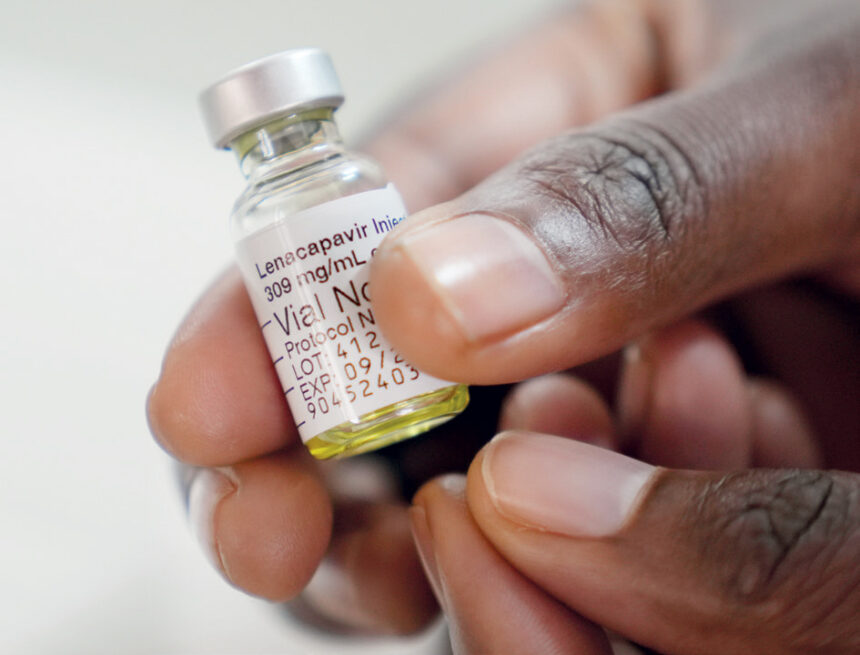
Malawi has approved the use of Lenacapavir, a twice-yearly injectable HIV prevention drug, in a move health authorities say will strengthen the country’s efforts to reduce new infections.
The approval was announced by the Pharmacy and Medicines Regulatory Authority (PMRA) in collaboration with the National Aids Commission (Nac) following “an accelerated scientific review”.
PMRA Director General Mphatso Kawaye said the decision aims to expand access to modern HIV prevention options.
“We fast-tracked the evaluation of Lenacapavir so that Malawians can benefit from modern HIV prevention technologies. This approval gives people at high risk another proven option to protect themselves,” Kawaye said.
- Advertisement -
Lenacapavir, produced by Gilead Sciences Ireland UC, has already been cleared by the European Medicines Agency and prequalified by the World Health Organisation (WHO).
Malawi completed its own assessment on November 28, 2025.
Kawaye said the injectable is expected to improve adherence because it is taken only twice a year, reducing frequent clinic visits and the risk of missed doses.
Nac Executive Director Beatrice Matanje welcomed the development, saying it comes at a critical time in the country’s HIV response.
- Advertisement -
- Advertisement -
“The approval of Lenacapavir is a major milestone for Malawi’s HIV prevention efforts. It demonstrates our commitment to offering innovative and effective prevention options,” Matanje said.
The drug is expected to be available in Malawi from February next year, pending distribution preparations.
Meanwhile, the introduction of Lenacapavir comes as Malawi continues to battle persistent HIV infections, particularly among adolescent girls, young women and key populations who often struggle to take daily oral pre-exposure prophylaxis.
The government believes the long-acting injection will complement existing prevention methods by offering a more convenient alternative for people with adherence challenges.
Malawi detected its first HIV cases in the mid-1980s and by the early 1990s the virus had spread rapidly across the country.
The rollout of free antiretroviral therapy in 2004 significantly reduced Aids-related deaths and improved survival.
However, new infections remain a concern, prompting the adoption of advanced biomedical tools such as Lenacapavir to boost prevention efforts.