By Dalitso Kampira:
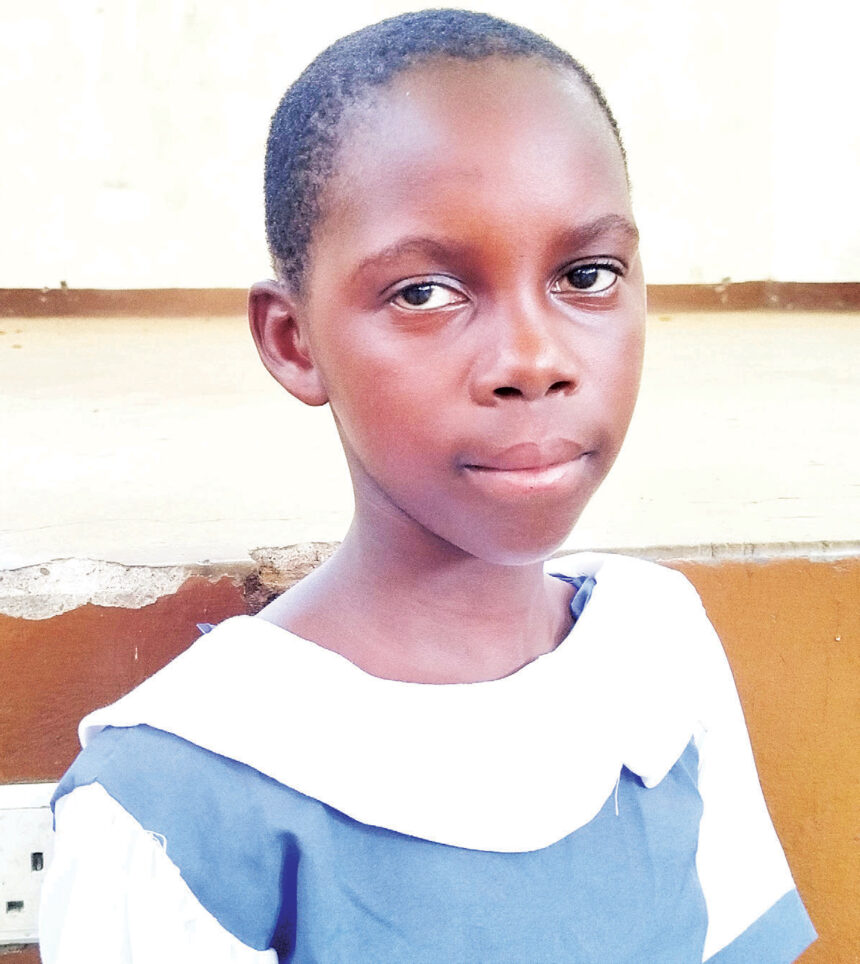
In Malawi, many girls in rural communities still struggle to stay in school.
Their dreams are often threatened by poverty, cultural pressures and a lack of basic learning materials such as books, uniforms and pens.
For these girls, education is not simply a right but a daily battle for opportunity and dignity.
Across the country, especially in rural districts, girls face multiple barriers to accessing quality education.
- Advertisement -
Even when school materials are available, girls encounter challenges that boys may not experience, including cultural practices, early marriages and societal expectations.
In Thyolo District, early marriages remain common, particularly among families with limited education, putting girls at high risk of missing out on proper schooling.
The lack of role models further contributes to high dropout rates, even for those who have sufficient support.
Menstruation also affects attendance, as many girls feel ashamed or believe that their periods restrict participation; misconceptions that limit their education.
- Advertisement -
- Advertisement -
Girls in Luchenza area now have reason to hope, thanks to the Pan-African Civic Educator Network (Pacenet).
The organisation provides reusable sanitary pads, helping girls manage their periods with dignity and dispel myths that hold them back.
“I used to miss classes during my monthly periods, which affected my performance, but thanks to Pacenet, I will not miss classes anymore.
“I will work hard to fulfil my dream of becoming a crime investigation officer,” Patience Thom, a Form Four learner at Luchenza Secondary School, says.
The future CID officer adds that with the notebooks, pens and new school uniform, she now has an advantage and has no reason to miss classes.
For Patience and many less privileged girls, Pacenet’s support has restored hope for a future that once seemed out of reach.
Mable Themu, an 11-year-old Standard Seven learner from Luchenza Primary School, echoes this optimism.
“The initiative has encouraged me to work hard in school. I urge my fellow girls to take education seriously as education is the key to success,” Mable says.
Support alone, however, is not enough. Girls also need mentors and matrons to guide and encourage them.
Tapera Kanjala, a Pacenet matron and teacher at Luchenza Secondary School, plays that vital role. Her youth and energy inspire many girls.
“These girls are privileged because most, especially those from rural areas, do not have access to pads. Lack of proper care leads to school dropouts and increases the risk of early marriages and pregnancies,” Kanjala says, urging students to commit to their dreams with dedication.
Thirteen-year-old Milca Kadzuwa, a Standard Six learner at Luchenza Catholic Primary School, expressed her gratitude.
“I pray that other girls should also benefit from this initiative so they can pursue their dreams,” she said.
Despite high dropout rates among girls in Thyolo District, organisations like Pacenet are giving hope to future achievers.
Modester Nthulula, a 13-year-old Form Three learner, shared her ambition of becoming a journalist.
“Pacenet’s initiative has opened my eyes and encouraged me to work harder,” she said, even demonstrating her passion by speaking like a radio host during the interview.
Luchenza Zone Primary Education Advisor William Sande expressed hope for continued support and broader interventions.
“Phase one benefited 60 girls across four schools. We hope phase two will expand this number and that other organisations will emulate Pacenet’s efforts. The girl child needs collaborative support to reach her goals,” he said.
Pacenet Programmes Manager Rex Mlotha said the project, launched in July in partnership with Luchenza Municipal Education Office, aims to fill gaps that hinder girls’ progress.
Phase two, funded by Hilden Charitable Funds from the United Kingdom, will start next year under the initiative ‘Enhancing Access to Education for School Girls’.
With continued efforts like these, Malawi might be moving closer to building a more inclusive future where girls can access education, fulfil their dreams and contribute meaningfully to society.