





Small and medium enterprises (SMEs) remain cautiously optimistic about 2026 despite a challenging 2025, business associations have said.
In an interview, National Association of Business Women (NABW) Executive Director Barbara Banda said that while challenges may persist, improved policy coordination, targeted support to productive sectors and strengthened local value chains could create a more enabling environment for SME growth.
Banda said 2025 was a very challenging year for SMEs, with many members struggling to sustain operations due to economic instability, declining consumer demand and rising operational costs.
She said persistent foreign exchange shortages were the most significant challenge, particularly for SMEs dependent on imported raw materials and merchandise.
- Advertisement -

The situation directly affected business continuity and was reflected in demonstrations by vendors in Lilongwe and other major cities, where they protested to Parliament over forex scarcity.
- Advertisement -
She added that high inflation pushed up prices of both imported and locally sourced inputs, further constraining SMEs.
However, SMEs demonstrated resilience by exploring local sourcing, import substitution and value addition, especially in agro-processing and light manufacturing.
“Many members embraced digital platforms for marketing and sales and some leveraged associations and cooperatives for collective procurement and market access.
“The enactment of the MSME Bill was a boost in the SME ecosystem, providing a platform to strengthen advocacy, collaboration and networking,” Banda said.
- Advertisement -
She added that her association recommends prioritising SMEs in forex allocation, expanding access to affordable finance, stabilising the macroeconomic environment and strengthening structured public-private dialogue.
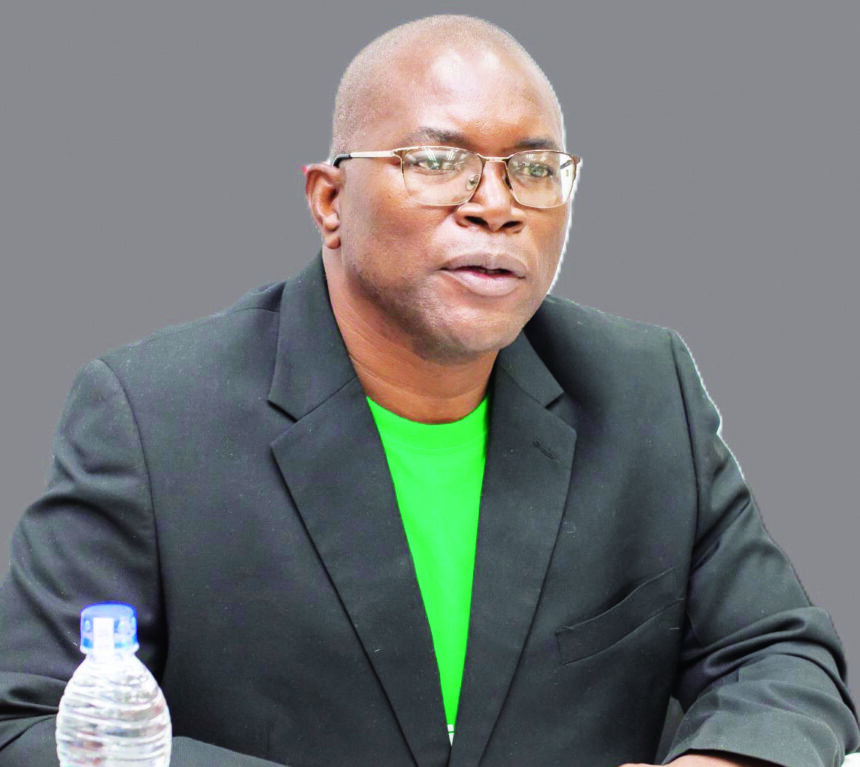
In a separate interview, Executive Director of the SME Chamber James Chiutsi said he is hopeful for good harvests and improved forex availability in 2026.
Chiutsi expressed optimism that the Micro, Small and Medium Enterprises Bill will be fully recognised by government and other players, and that access to finance will improve.
He said the chamber plans to work with universities and other centres of higher learning to fabricate machinery and pursue import substitution.
He said there are hopes that the Small and Medium Enterprises Development Corporation will sanitise the SME sector, especially by accrediting business development service providers.
“The year 2025 presented numerous challenges including forex shortages leading to failure to procure stocks and raw materials, as well as high cost of raw materials. Access to finance, both availability and cost of borrowing, remained a challenge.
“Currently skills are still lacking, especially in specialised sectors like mining and artificial intelligence. Equipment and machinery shortages, fuel scarcity leading to stunted business growth due to transport costs and intermittent electricity leading to production woes were other challenges,” Chiutsi said.