


By Wezzie Gausi:
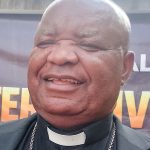
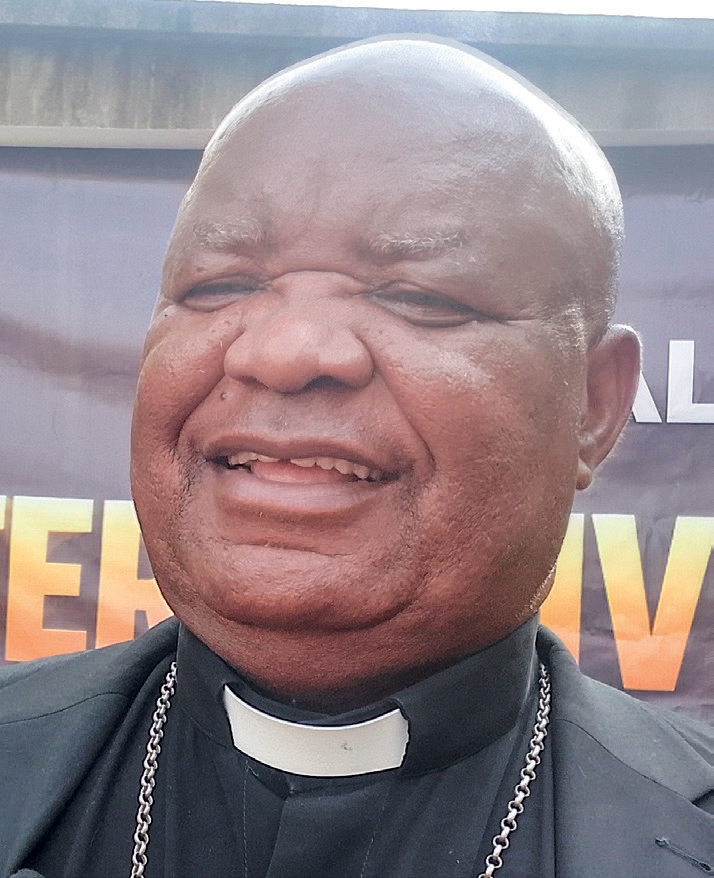
Malawi Economic Justice Network (Mejn) Chairperson Bishop Martin Mtumbuka has described Malawi as a country on fire, calling for collective efforts to address the worsening economic crisis that continues to push ordinary Malawians into poverty.
This comes at a time when the government is expected to spend K2.79 trillion on debt interest payments alone in the 2026-27 financial year, leaving limited resources for essential public services and development programmes.
Speaking yesterday, during the fifth National Conference on Public Debt, Taxation and Climate Finance in Lilongwe City, Mtumbuka said the severity of the economic situation demanded urgent and practical solutions from the government, civil society, religious institutions and the private sector.
He said rising public debt, persistent fuel and foreign exchange shortages and the high cost of living had made life unbearable for many Malawians.
- Advertisement -
“For too long, we have treated these issues like separate rooms in one house. The truth is they are under one roof and, right now, that house is on fire,” Mtumbuka said.
He demanded to know who had benefitted from the country’s growing public debt when ordinary citizens continue to struggle to access basic necessities, including food and medicines.
“Debt is not free money. It is our children’s money spent in advance. Are we borrowing to build productive infrastructure that will rescue our economy? Or are we borrowing for consumption that leaves our children with nothing but a bill?” he queried.
Mtumbuka further appealed to the government to prioritise ambulances in the distribution of scarce fuel and protect vulnerable households from the effects of economic recovery measures.
- Advertisement -
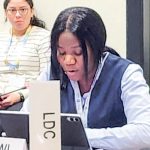
In her keynote address, Economics Association of Malawi (Ecama) President Bertha Chikadza said Malawi’s public debt stood at K23.9 trillion, as of December 2025, representing 90.9 percent of gross domestic product (GDP).
She said the growing cost of debt servicing had significantly reduced the government’s capacity to finance essential public services.
According to Chikadza, for every K100 the government collects in domestic revenue, only K21 remains for other expenditures after accounting for interest payments, salaries, pensions and other statutory obligations.
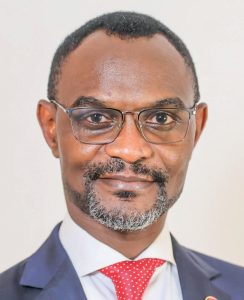
“External debt servicing is competing directly with fuel, fertilisers and medicines because for us to get fuel, for us to get medicine, for us to purchase fertiliser, we use forex,” Chikadza said.
She called for the restructuring of both domestic and external debt, broadening of the tax base, addressing revenue leakages and strengthening transparency in public borrowing.
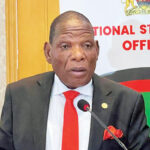
Meanwhile, Local Government Minister Ben Phiri has said the country’s challenges have accumulated over many years and require collective responsibility.
“All of us must be ashamed. The road to where we are today did not start yesterday. The road to where we are started a long time ago, and most of us share the blame,” Phiri said.
He said the government was prepared to take tough decisions to restore economic stability, stressing that economic growth required deliberate planning, discipline and sacrifice.
Phiri further called for increased domestic production, industrialisation, value addition and exports to address the country’s persistent foreign exchange shortages.
The two-day conference, which has been organised by Mejn in collaboration with Norwegian Church Aid, Danish Church Aid and other partners, seeks to develop practical solutions to Malawi’s debt crisis while promoting fiscal accountability, tax justice and sustainable development.
