By Watipaso Mzungu:
It is the desire of every Malawian to access quality and affordable healthcare services within their vicinity.
Yet, access to and utilisation of healthcare services remain a distant dream for most Malawians, especially those living in remote and underserved rural communities.
According to government policy, an individual is considered to have access to healthcare if they are within an eight-kilometre radius of a health facility.
Still, the most common barriers to accessing health services are the distance to the health facility, the cost of transport to the clinic and the attitude of health workers.
- Advertisement -
Thus, the ability to access care—including whether it is available, timely, convenient and affordable—affects healthcare utilisation.
This is true for the people of Mpendekera Village in Traditional Authority (TA) Lundu in Blantyre.
Group Village Head (GVH) Mpendekera said in a recent interview that for years, the area’s geographical and physical location has been disenfranchising them from the health system.
Mpendekera states that access to healthcare is preserved for those with higher incomes because they can afford the cost of transport to and from the health facility.
- Advertisement -
- Advertisement -
“What is even worse is that parents cannot vaccinate their babies against diseases because they cannot afford the cost of travelling to the clinics,” he says.
With financial support from the Global Alliance for Vaccines and Immunisation (Gavi), through the Ministry of Health, the Malawi Health Equity Network (Mhen) is addressing the problem.
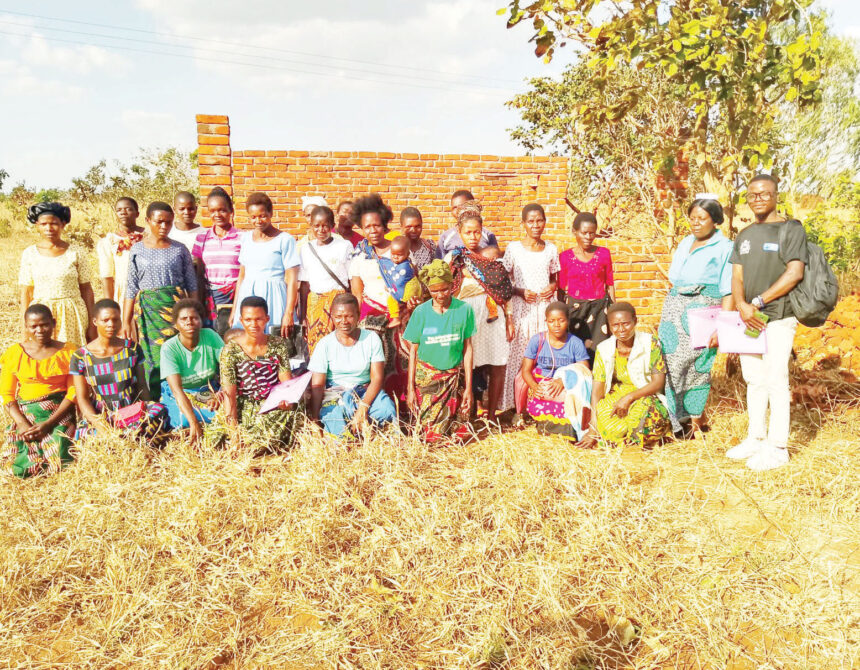
The network facilitated the formation of Mpendekera Mother Care Group (MCG), which plays a critical role in reducing mortality and morbidity rates in the area.
MCG is an approach primarily used in development settings, whereby social and behavioural changes are promoted through supported peer-to-peer, mostly mother-to-mother, knowledge sharing.
The aim of MCG is to promote improved infant nutrition, enhance hygiene and increase the number of children who are fully vaccinated and exclusively breastfed for the first six months.
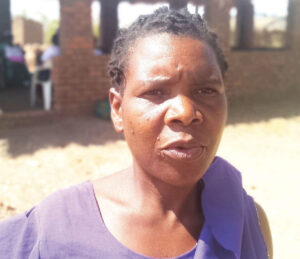
Mpendekera MCG chairperson, Maria Ligawo, says the group was established in 2019 through the Gavi Health Systems and Immunisation Strengthening project, a government of Malawi five-year initiative.
The project seeks to address barriers to equitable and quality immunisation so that women, children and communities can access quality immunisation services and healthcare and improve the quality and uptake of immunisation services.
“Mhen and Blantyre District Health Office conduct capacity-building training for MCGs, traditional and community leaders and local civil society organisations,” Ligawo explains.
The MCG initiative also targets women of reproductive age and their families, to transfer key health messages regarding their own health and that of their newborn babies and young children.
Ligawo says that since its formation, the group has focused on sensitising communities on healthcare utilisation, as determined by the need for care or whether people know that they need care, among others.
“So, basically, we work very hard to create demand for healthcare services among people, especially parents. This helps in reducing mortality and morbidity cases in this area,” she adds.

Mhen Assistant Project Officer Herbert Chakwawa commends the milestones which he says the MCGs are achieving in their efforts to expand immunisation services.
Chakwawa discloses that MCGs have proved to be an effective approach to changing families’ behaviours, which may reduce the frequency and severity of childhood illnesses.
The project is being implemented in districts of Blantyre, Lilongwe, Mchinji, Dowa, Ntchisi, Kasungu, Mzimba South, Mzimba North and Chitipa.
It seeks to contribute towards achieving Malawi’s targets for United Nations Sustainable Development Goals by strengthening the capacity of integrated health systems to deliver immunisation and resolve health constraints.
Mhen Executive Director Goerge Jobe says the nine districts were identified because of their low immunisation coverage.
“MCGs are established in hard-to-reach areas characterised by geographical barriers, inaccessible road networks and bridges, isolated and scattered settlements and religious beliefs prohibiting members from accessing immunisation services, among others.
“In the cities of Lilongwe, Blantyre and Mzuzu, as well as Kasungu Municipality, MCGs are also established in urban slums with low immunisation coverage,” he explains.
According to Jobe, a total of 281 MCGs have been established in the nine districts