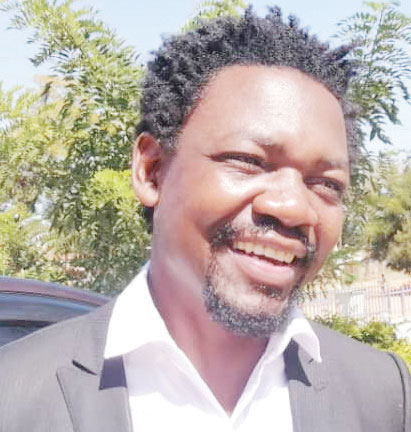
The Anti-Corruption Bureau (ACB) has indicated that it had insufficient evidence to prosecute State House Chief of State Residences Prince Kapondamgaga, who reached a restitution agreement with the bureau and, consequently, had his case dropped.
Initially, ACB investigations established that Kapondamgaga was one of the public officers who had allegedly received a Mercedes Benz, S Class 350d, and other gifts from Zuneth Sattar who, according to the bureau, may face corruption charges in Malawi.
A letter we have in our possession indicates that Kapondamgaga received about K70.1 million from Sattar, money he allegedly agreed to pay back by September 30 2023.
According to the letter, which has been addressed to Youth and Society (Yas) Executive Director Charles Kajoloweka— who had requested for information pertaining to the restitution— the money will be deposited into a Confiscation Fund account which is with the Financial Intelligence Authority.
In the request, Kajoloweka wanted to find out how the bureau distinguished Kapondamgaga’s case from cases of other persons under the ACB radar.
- Advertisement -
“The distinguishing factor is the availability of evidence, which is insufficient in the Kapondamgaga case. As a prosecution authority, the basis on which any case is brought to court relies on the sufficiency of evidence against the individual to prove the case to a criminal standard. If such evidence is insufficient, the case is not pursued,” the letter reads.
In an interview Tuesday, Kajoloweka confirmed receiving an official response from the bureau but expressed reservations with the response.
He said they, as an organisation, would consult legal minds on whether they can take up the matter to court.
“In our view, the returning of the vehicle and the money is a confirmation of a crime that was committed. And what is more surprising is that the bureau believes that it does not have sufficient evidence to prosecute Mr Kapondamgaga. Our view is that this has nothing to do with insufficiency of evidence or information; rather, this is a political decision to conceal accountability,” he said.
- Advertisement -
- Advertisement -
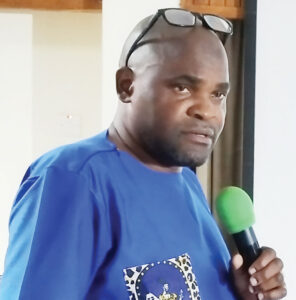
Similarly Anti- Corruption Alliance Chairperson Moses Mkandawire observed that it would have been better if Malawians were properly informed about the ACB’s stance and processes which were used that led to the dropping of the alleged corruption case.
“To some of us, the mere fact of giving back the vehicle, and also the money, is like there is evidence because, how do you give back something if you were not involved?” he queried.
Speaking earlier, Private practice lawyer Jivason Kadzipatike agreed with Yas, adding that, if Parliament gave ACB such powers without any criteria for selection of beneficiaries of such restitution arrangements, it would lead to abuse of power by the ACB.
In July this year, the ACB said it would no longer pursue the Kapondamgaga case. At that time, ACB spokesperson Egrita Ndala indicated, in a statement, that the graft-busting body’s investigations established that Kapondamgaga received a Mercedes Benz S-Class 350d and other gifts from Sattar.
But, according to the statement, Kapondamgaga signed a restitution agreement with the ACB after recording a statement; hence, he would not face criminal charges.
“At the moment, he [Kapondamgaga] has already surrendered the Mercedes Benz S-Class 350d.
“After a review of the evidence against Mr Kapondamgaga in this case, evaluation of the information he provided in respect of the broader investigations relating to Zuneth Sattar and the restitution agreement he has voluntarily entered with the bureau, a prosecutorial discretion has been exercised not to lay criminal charges against him,” the statement reads.