By Benadetta Chiwanda Mia:
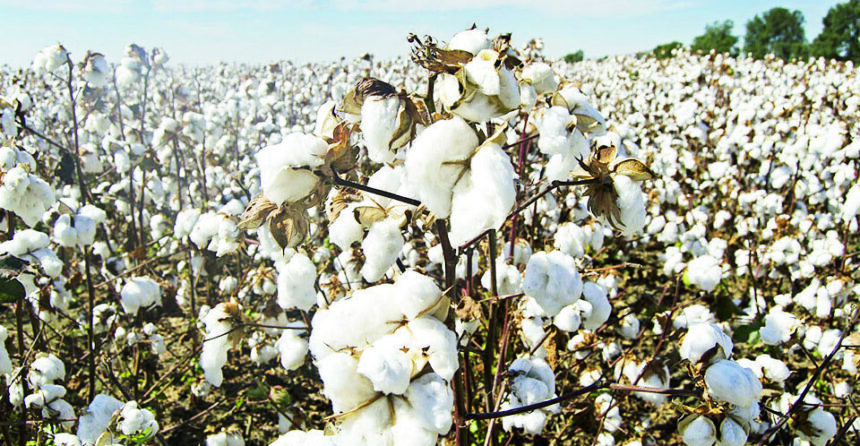
The Cotton Council of Malawi (CCM) has reiterated the need for adequate financial support to meet the growing local and international demand for cotton.
Malawi has a ginning capacity of 300,000 metric tonnes (MT), but over the past five years, has only managed to produce an average of 20,000 MT annually.
Even more concerning, production levels have dipped even lower to below 10,000 MT over the past two years, which is said to have had far-reaching consequences for the industry.
CCM Agribusiness Manager Austin Mbamba said in an interview that the huge gap between Malawi’s potential and actual cotton production is due to financial constraints.
- Advertisement -
He said the council has been engaging with various international buyers and potential investors; however, they often back out upon seeing the gap between the country’s potential and actual output.
“The primary cause of this production shortfall is the lack of access to quality agricultural inputs, particularly cotton seeds.
“The available seeds are prohibitively expensive. Last growing season, they cost around K58,000 per kilogramme, which is beyond the reach of most smallholder farmers who form the backbone of our cotton industry,” Mbamba said.
He added that each time the Kwacha devalues or depreciates, the seeds become more expensive, further exacerbating the affordability problem.
- Advertisement -
- Advertisement -
“We need financial institutions like the National Economic Empowerment Fund to introduce packages that allow cotton producers to access necessary inputs,” Mbamba said.
According to Mbamba, boosting production could bring in approximately $120 million annually from lint cotton exports alone.
Meanwhile, the government has recognised the potential of the cotton sector, identifying the cotton value chain as a key area to be promoted under the Africa Continental Free Trade Area (AfCFTA) market.
Director of Industry in the Ministry of Trade and Industry, Clement Phangaphanga, affirmed the government’s commitment to supporting the cotton value chain.
“We are looking at private sector involvement in cotton, bringing in bigger players to supplement and complement farmers’ participation,” he said.
Phangaphanga’s comments came after a two-day stakeholder workshop on the green supplement to the AfCFTA National Strategy in Lilongwe.
The workshop aimed to integrate climate and environmental considerations into the strategy, with a particular focus on the cotton value chain.
Independent cotton sector player Duncan Warren stressed the need for Malawi to boost its competitiveness to meet international demand.
“Our volumes on the international market are very low. We should consider partnering with neighbouring countries to collectively produce larger volumes that attract international buyers.
“We need to brand our cotton and focus on producing value-added products, rather than exporting lint cotton to the Far East and then importing finished products,” Warren said.
The World Bank projects that the AfCFTA can boost regional income by seven percent, approximately $450 billion, lift about 30 million people out of extreme poverty by 2035 and increase Africa’s exports by $560 billion, mainly in manufacturing.