The World Bank-funded Financial Inclusion and Entrepreneurship Scaling (FInES) Project has supported more than 48,800 businesses nationwide, injecting over $66 million since 2021.
This has improved access to affordable finance, creating jobs and strengthening business capacity.
Through the project, which is set to end in March 2026, $66.4 million has been disbursed to micro, small and medium enterprises through a line of credit channelled via banks, microfinance institutions and savings and credit cooperatives, according to a monitoring and evaluation brief by the Reserve Bank of Malawi.
The initial target was $47 million.
Women and youth accounted for the bulk of beneficiaries, with 32,396 women-led enterprises and 9,201 youth-owned businesses accessing the funds.
- Advertisement -
Women-led firms received $24.6 million, representing 37 percent of total financing, while youth-led enterprises accessed $9.3 million, equivalent to 14 percent.
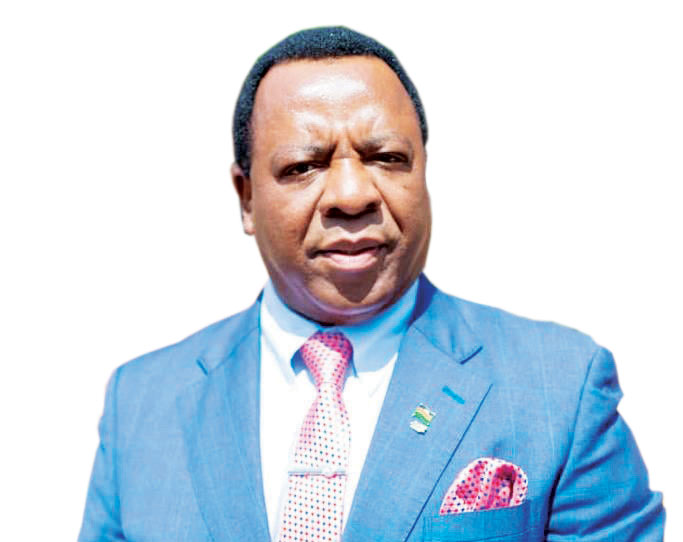
FInES Project Manager Ralph Tseka said the financing model was designed to make credit affordable while leveraging the capacity of existing financial institutions to assess borrowers.
He said the project signed subsidiary financing agreements with banks, microfinance intermediaries (MFIs) and Saccos, under which the institutions were required to on-lend the funds to SMEs at interest rates capped at 14 percent.
“The funds have gone into small-scale businesses, and we have seen the impact on the ground,” Tseka said.
- Advertisement -
- Advertisement -
According to the RBM brief, the project also contributed to enterprise growth, facilitating the establishment of 98 new medium-size enterprises, some of which received quasi-equity financing through the Malawi Agriculture and Industrial Investment Corporation.
Despite the full utilisation of the line of credit, Tseka said demand for affordable SME financing remained high, with banks and microfinance institutions continuing to submit requests for additional funding.
Tseka said loan performance under the project had remained strong, with non-performing loans at about 3 percent, below the 5 percent threshold.
“Repayment levels have exceeded expectations. Most of the financial institutions are paying back according to the repayment schedules,” Tseka said.
As the project is coming to an end, Tseka added that proposals had been submitted to the government on how the intervention could be sustained beyond the current project, including the possible establishment of an Apex fund that would recycle loan repayments and continue lending to SMEs through financial institutions.
He said discussions were also underway on a successor project, with lessons from the first phase expected to focus on production, exports and import substitution to ease pressure on foreign exchange.
One of the beneficiaries of the low-cost loans is Roseberry Farms, a horticulture firm supplying produce to Shoprite.
Managing Director Ruth Kalima said access to affordable capital was critical for unlocking the sector’s potential to contribute to economic growth and food security.
“There is a huge gap in horticulture in Malawi and it is not receiving the focus it should. If there was more focus on horticulture agriculture, Malawi would move much faster in addressing the foreign exchange challenges we are facing,” Kalima said.
She said the firm used a loan accessed through NBM Development Bank to procure five additional greenhouses, bringing the total to 23, but added that more financing was required to expand operations and meet growing demand.