The Development Fund for Local Authorities (DFLA), a project within the Ministry of Local Government, Unity and Culture, has said it has up to K2.6 billion resource envelop from which councils can tap as loans for development.
Already, the fund says it has channelled about K1.4 billion to councils since 2017.
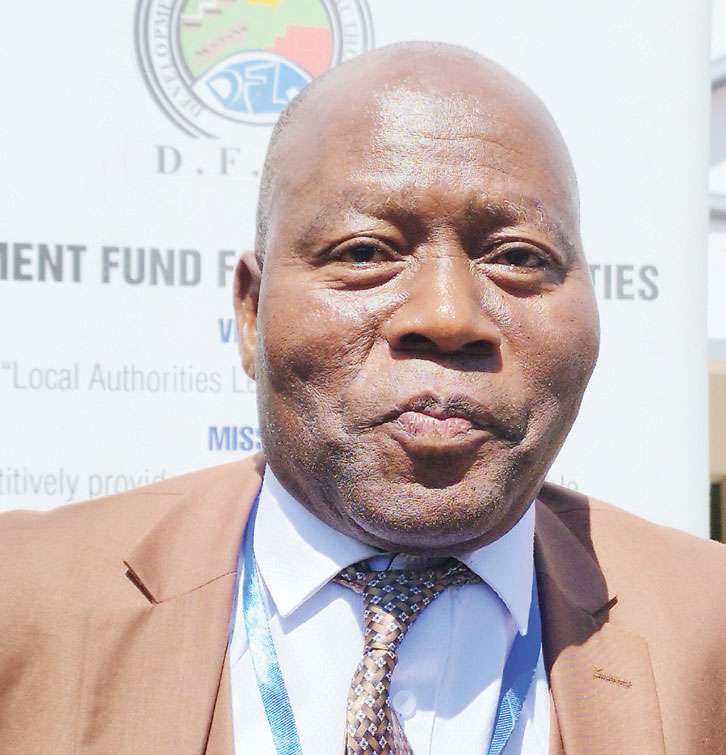
DFLA Chief Executive Officer Cydex Makunje said this Tuesday during an interface with council officials from the Northern Region in Mzuzu.
At the meeting, Makunje said out of the seven councils in the region, only Nkhata Bay District had benefitted from the loan window.
Makunje said a council, depending on its capacity, can get two or more loans of various magnitudes.
- Advertisement -
“We do not just give out loans and forget. That is why maybe some of the councils have not been coming to get the loans; it is about accountability. We follow and monitor them. For example, if they want to buy machinery we do not give the council the money, we pay the supplier,” he said.
DFLA Board member Gift Desire Nyirenda said amid financial challenges that local councils are facing in the country, this is one of the windows that councils can utilise.
“The direction should be that council members should sit down and see how we can go about it. Yes we have challenges to do with revenue collection and, thus, we do not have enough money. We can squeeze ourselves and get these loans,” he said.
Karonga District Commissioner Rodrick Mateawuma said there has not been much awareness on the fund.
- Advertisement -
- Advertisement -
“I would also say this fund is overshadowed by other funding windows like Gesd, which allows us to go for commercial projects. In this regard, councils would opt for grants other than loans. But because aspirations of communities are enormous we can go for both,” he said.
DFLA was a component of the 1992-2001 World Bank/IDA funded Local Government Development Project. It was later given autonomy to exist and operate independently as a trust in 1994.
DFLA is a revolving fund whose main objective is to encourage local authorities to become more commercial in their thinking and approach in the provision of local services.