



The Government of Malawi has assured Malawians of its commitment to repatriate and support all Malawians who have fallen victim to Afrophobia attacks in South Africa.
Foreign Affairs and International Cooperation Minister George Chaponda told The Daily Times yesterday that besides repatriation, the government had put in place measures that were meant to promote entrepreneurship and ensure more job creation in the country.
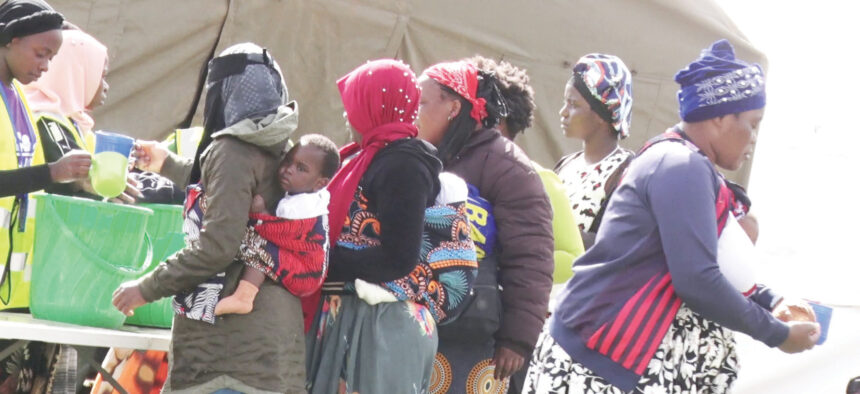
Speaking at Kamuzu Stadium in Blantyre City yesterday, when some Malawians, including women and children, who returned from South Africa had gathered upon arrival, Chaponda encouraged the returnees to remain focused and utilise available economic opportunities, including the Malawi Enterprises Development Fund (MEDF) loans meant for youths and women.
“We have to help these people settle down in a way that they do not return to South Africa.

“Secondly, these people have different skills; let us support and allow them to utilise the skills to benefit our national development,” Chaponda said.
- Advertisement -
He also disclosed that the Government of South Africa had agreed to support the repatriation of foreign nationals, including Malawians, from that country.
Chaponda said plans were underway for the government, through the Department of Immigration and Citizenship Services, to strengthen measures aimed at ensuring that no more Malawians travel abroad without proper documentation.
On her part, Amina Bakali (27) from Mangochi District said she had no intention of returning to the Rainbow Nation.
“I stayed in the camp for almost ten days, spending days and nights in the open space without proper meals, hygiene and security. I delivered a baby at the camp, and only once was I welcomed at the nearby public health facility.
- Advertisement -
- Advertisement -
“Later, they told me that foreigners were no longer welcome,” Bakali said.
At the event, Department of Disaster Management Affairs (Dodma) Commissioner, Wilson Moleni, said around 2,218 Malawians had been repatriated by Sunday morning, and that 514 others were still in transit.
The number of those still stranded and willing to come back rose from around 10,000 to 15,000 people, according to Dodma.