Nigerians have been hit by a double whammy of chronic fuel shortages and a hike in prices by the state-owned oil company.
The Nigerian National Petroleum Corporation (NNPC), which imports the country’s fuel and distributes it to private sellers, blamed its debts and rising global prices for its difficulty in getting fuel.
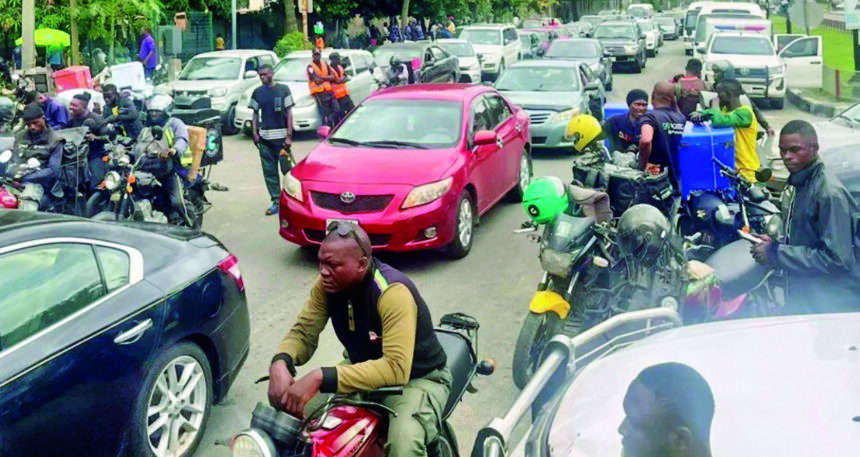
Many people have been left stranded with long queues at petrol stations nationwide. Commuters in Lagos have been lining up at bus stations, but there very few buses operating.
Others told the BBC they have been forced to trek long distances as public transport prices have doubled along some routes.
On Tuesday, the NNPC said it was putting up the petrol price from 617 naira ($0.40) to 897 naira a litre.
- Advertisement -
Its petrol stations have the cheapest fuel on sale in the country – but at the vast majority of other private garages the pump price is much higher.
When the NNPC puts up the price, so do private sellers and in some states, like Oyo, Kano and Kaduna, petrol is now selling for as much as 1,200 naira a litre.
Many garages around the country have shut because they have run out of fuel, others have closed to adjust their prices.
In the capital, Abuja, most are open but all have long queues as desperate drivers wait their turn—some slept in their cars overnight.
- Advertisement -
- Advertisement -
Fuel stations are not rationing supply, so there is a danger their wait will be futile.
A motorcycle rider in Kano, the main trading hub of northern Nigeria, said it was frustrating: “Most of the fuel stations here in Kano are closed because they want to adjust their pumps to the new price.
“I was able to get fuel at 950 naira at a particular station, but other places have already started selling at 1,200 per litre,” Aminu Danyaro told the BBC.
Black-market traders, who buy fuel from petrol stations and sell it by the roadside from jerrycans at inflated prices, are doing a brisk trade in Kano, where there is significantly less traffic than usual.