By Wellington Sibale:
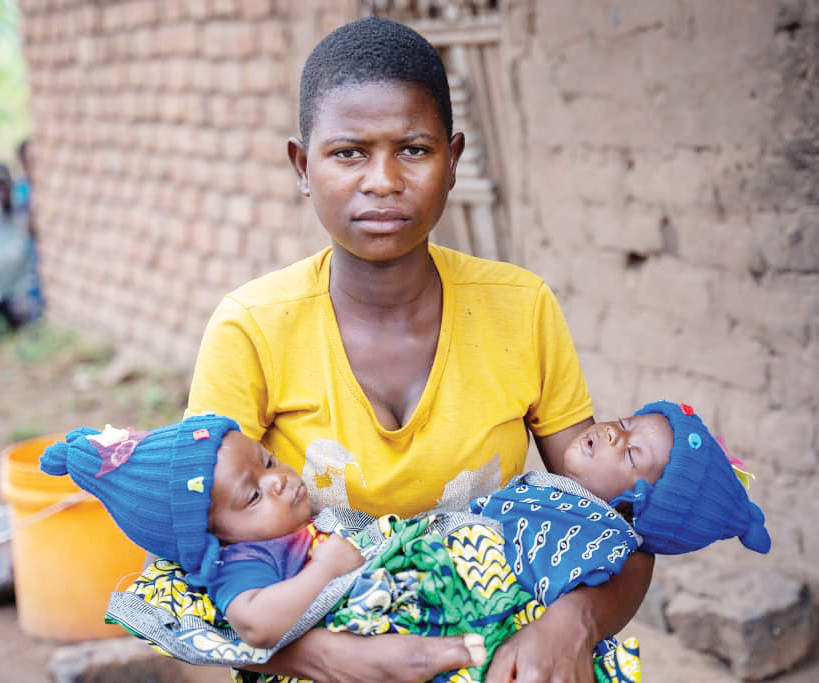
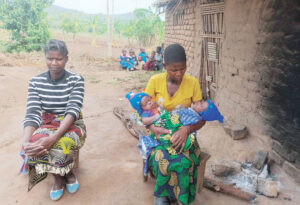
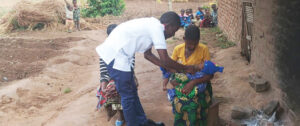
In the corners of a village far from the main road, 20-year-old Sevelia Kudzala cradles her premature twins against her chest, their tiny bodies rising and falling with each fragile breath.
Though young, she has found herself at the centre of one of medicine’s most delicate battles: keeping babies born too soon alive in a rural home where electricity is unreliable and the nearest hospital is a long, difficult journey away.
Her twins arrived at 36 weeks instead of the recommended 37. Kelvin was delivered first, weighing 2.1 kilogrammes (kg), followed by Clever at 2kg, both below the normal birth weight range of 2.5kg to 4.5kg.
“When I gave birth to these premature twins, I accepted the situation,” Kudzala says softly, hands wrapped protectively around the infants. “My husband also accepted it.”
- Advertisement -
She and her babies were discharged after spending five days in the Kangaroo Mother Care (KMC) ward, where infants are placed on their mother’s chest to stay warm and gain weight.
Kudzala represents a transformation underway.
She receives financial support from Partners in Health (PIH) to care for her twins, supplementing what their father provides.
She practises exclusive breastfeeding and uses constant skin-to-skin contact to help the babies grow and stay warm.
- Advertisement -
- Advertisement -
Her message to other mothers in similar situations is simple: “I encourage my fellow mothers who give birth to premature children to follow instructions from medical personnel.”
Her experience mirrors those of many families across Neno District, where PIH is championing a decentralised care model that challenges what many consider possible in low-resource rural settings.
As the world commemorated World Prematurity Day on November 17 under the theme ‘Give Preterm Babies a Strong Start for a Brighter Future’, Neno’s approach offered lessons with the potential to save lives far beyond Malawi’s borders.
According to the World Health Organisation (WHO), one in 10 babies globally is born preterm, before 37 weeks of pregnancy.
Without effective care, these infants face life-threatening complications such as respiratory distress, infections and hypothermia. Prematurity remains the leading cause of neonatal deaths worldwide.
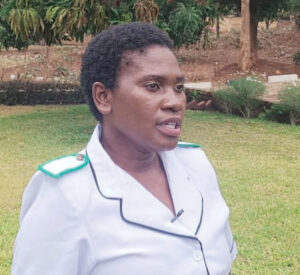
In Neno, the burden is stark. “At least two in 10 children have died due to prematurity. That shows how extensive this burden is,” Sungeni Misuli, a community-based maternal and child nurse for PIH, says.
However, the trend is shifting as innovation, education and consistent support from health workers and families take root.
PIH is responding through a blend of traditional methods and modern innovation.
While KMC is effective worldwide, it requires mothers to maintain constant contact, an exhausting task.
The Dream Warmer, a non-electric device that keeps premature babies warm when mothers need to rest, helps bridge that gap.
“In areas with low resources like Neno, where electricity is unreliable, this device provides warmth to babies. It supports mothers when they need to rest but babies still require critical warmth,” Misuli says.
She adds that this innovation reflects PIH’s broader approach, adapting care to the realities of rural Malawi.
A significant shift has also occurred in community attitudes, as premature births were once surrounded by harmful beliefs.
“Earlier, prematurity was associated with beliefs like witchcraft, which made mothers reluctant to care for these babies.
“With civic education from nurses and decentralised care through well-trained community nurses, people now understand that preterm babies are like any other and if given proper care, they can thrive,” she says.
Misuli says with understanding comes hope, as families now believe premature babies can survive, motivating them to invest the extraordinary effort required.
“We believe in innovation. We join the global community in commemorating World Prematurity Day to honour the resilience of premature babies, the partners who support them, and the health workers whose commitment gives them a chance to thrive,” she says.
At Neno District Hospital, Lemekezani Namwali oversees the KMC ward, where babies weighing as little as 1.5kg fight for survival.
The ward reflects determined resourcefulness: nurses monitor vital signs every four hours, mothers are taught to act as incubators through skin-to-skin contact, and equipment donated by PIH often makes the difference between life and death.
“We advise mothers to keep their babies in direct contact so that heat is transferred. Nurses and doctors attend to them, teaching mothers how to care for their babies while monitoring sugar levels, temperature and respiratory rate. If they detect abnormalities, they intervene immediately so the babies are not lost,” Namwali explains.
Care continues after discharge, as PIH’s Paediatric Child Development Clinic follows premature babies until age five, ensuring early vulnerabilities do not become lifelong challenges.
Community health workers also maintain contact with families, responding quickly to danger signs such as shortness of breath or fever.
Still, challenges remain.
“The ward is too small. Sometimes we cannot accommodate all the babies and some mothers travel long distances to access quality services,” Namwali says.
As WHO officially incorporates World Prematurity Day into its global calendar, the calls to action— investing in special newborn care, strengthening maternal health, supporting families emotionally and financially, and ensuring equity regardless of geography— strongly align with PIH’s work.
In rural Malawi, PIH is showing what these commitments look like: skilled neonatal nurses, equipment suited to unreliable electricity, financial support for families and a care pathway extending from pregnancy to a child’s fifth birthday.
For Kudzala’s twins, the theme ‘Give Preterm Babies a Strong Start for a Brighter Future’ is already becoming reality.
Wrapped against their mother’s chest, they continue to grow stronger each day, tiny fighters in a community determined to help them live.
World Prematurity Day is commemorated on November 17 and draws global attention to the 13 million babies born preterm each year.
It advocates for quality care to ensure every baby, regardless of where they are born, has the best chance of survival and a healthy future.—Mana