By Grace Makawa:
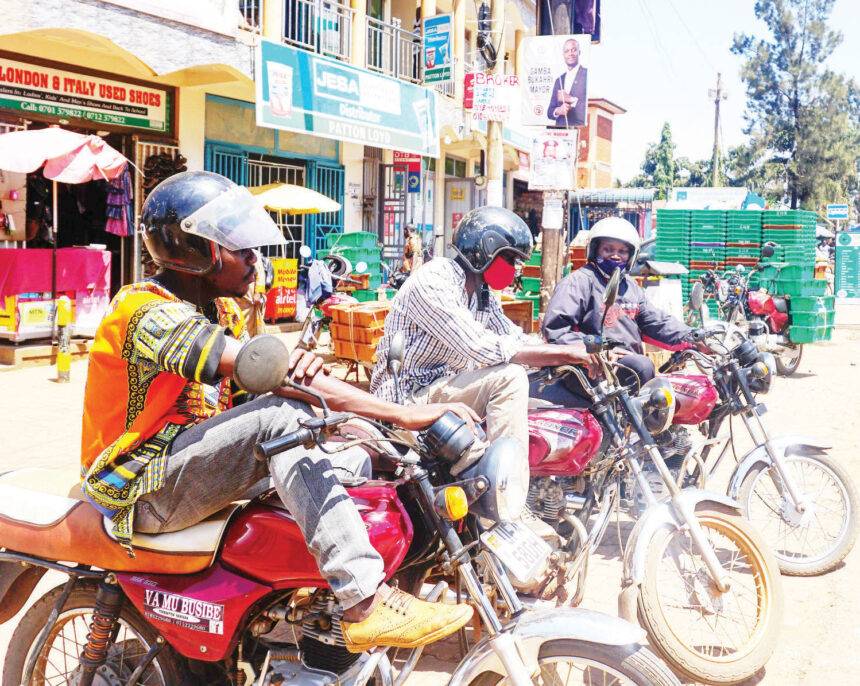
Motorcycle taxi operators, commonly known as kabaza, have appealed to the Ministry of Local Government to engage the Ministry of Labour in setting a standard daily target for the sector, saying excessive financial demands are putting their lives at risk.
Speaking during the National Conference for Kabaza Leaders in Lilongwe, organised by the Malawi Coalition for Kabaza Stakeholders and Associations (Macokasa), national chairperson Moses Mwalabu said some operators risk being killed while trying to meet daily targets imposed by motorcycle owners.
Mwalabu said pressure to raise the required amount within a day forces some operators into difficult and dangerous situations, making government intervention necessary.
“There is a need to establish a standard and acceptable target that would be applied across the sector while taking into account the welfare, safety and ability of kabaza operators to earn a living,” he said.
- Advertisement -
He also appealed to relevant authorities to establish a common framework that would protect the livelihoods and rights of kabaza operators.
Local Government Minister Ben Malunga Phiri, speaking at the meeting, called for order among kabaza operators and urged them to comply with road safety regulations.
His call comes amid continued concerns over reckless riding and road accidents involving motorcycle taxis.
“Kabaza operators should follow the rules governing road use, exercise discipline and adhere to regulations that are critical to improving safety for both riders and passengers,” said Phiri.
- Advertisement -
- Advertisement -
The conference, held under the theme ‘Transforming Kabaza into a Safe, Unified, Formalised Economic Engine’, also called for the establishment of formal kabaza ranks to improve order and accountability in the sector.
Participants said efforts to regulate the sector must also address the working conditions facing operators, including excessive financial demands and unsafe working conditions.
Kabaza services have become an important part of Malawi’s public transport system, particularly in communities where conventional public transport is limited or unavailable.