operational costs
By Emmanuel Simpokolwe:
The United Nations agency tasked with helping countries eliminate poverty and achieve sustainable economic growth, the United Nations Development Programme (UNDP), has said the rate of access to electricity in Malawi remains one of the lowest in the region and has stunted economic growth over the past two decades.
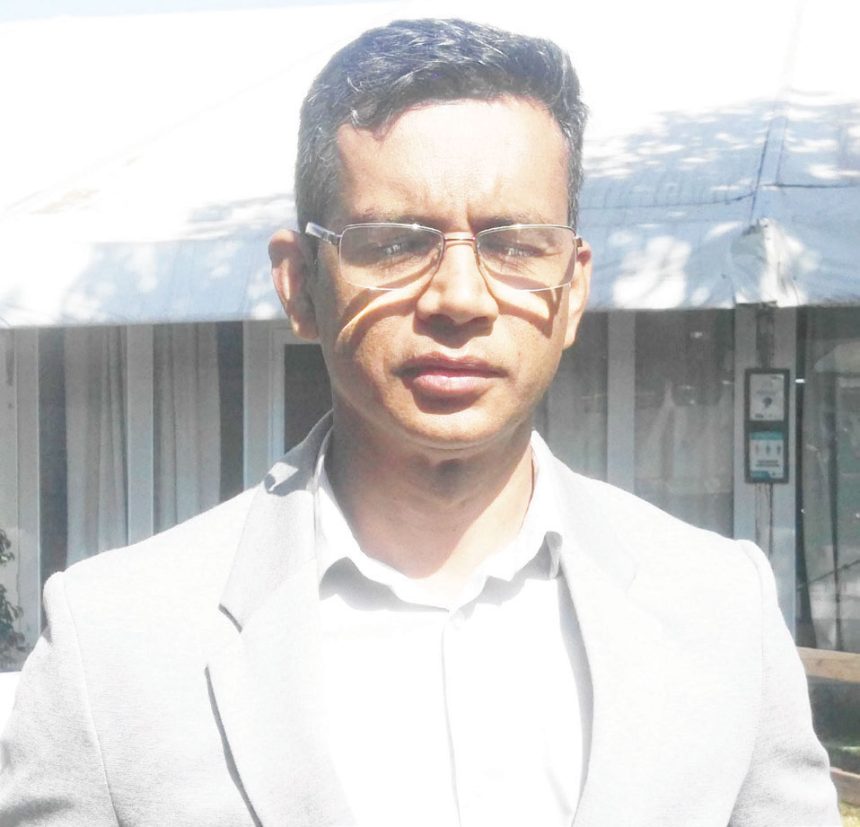
UNDP representative for the Africa Min-igrid programme Rabi Narayan Gaudo said this in Salima during an inception meeting for the Africa Mini-grid Project on Thursday.
This comes as available figures show that of an estimated 18 million population, about 17.7 million Malawians do not have access to electricity.
According to Gaudo, low access to electricity entails high levels of unemployment, inequality and extreme poverty.
- Advertisement -
He said communities with low electricity access have an unstable balance of consumption and production.
He further said private sector involvement will be crucial in the success of the project and can be the catalyst to drive economic growth through electrification of businesses and productive use of energy.
“Scaling up renewable energy mini-grids will improve lives while advancing the country’s climate goals,” he said.
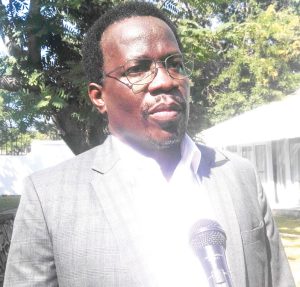
Ministry of Energy acting Director of Energy Affairs Joseph Kalowekamo said the government intends to roll out Africa Mini-grids Programme activities to provide ways of increasing access to electricity through commercially viable mini-grids.
- Advertisement -
- Advertisement -
Kalowekamo said identification of mini-grid models that are viable would open doors for more investments in the energy sector.
He further said enhanced energy supply remains critical to industrialisation.
According to Kalowekamo, the project is directly aligned with the National Energy Policy’s objective of increasing access to affordable, reliable, sustainable and efficient energy.
“This project will reduce the operational costs and increase commercial viability of low carbon mini-grids,” he said.
The Mini-grid project, which is co-financed by the Global Energy Alliance and UNDP, is being implemented in 18 countries including Malawi.