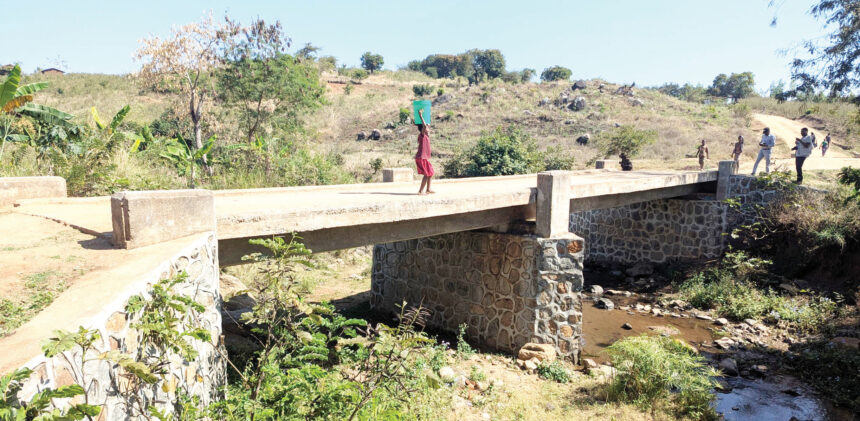
Makolongwe River flows gently, its calm, clear waters gliding beneath a modest concrete bridge that links the once-divided halves of Mumde Village and several neighbouring settlements in the south-western reaches of Blantyre Rural.
Birds skim its surface. Children pause to toss pebbles into it on their way to their friends’ homes on either side. There is quiet and order. The river appears almost harmless now.
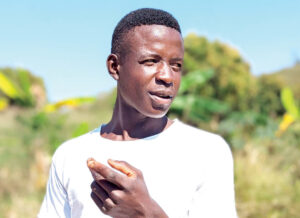
However, for those who lived through its worst moments, such as Peter Lesca, this peaceful stream is a stark reminder of what life once was.
Peter stands near the edge of the bridge, his eyes fixed on the cool waters racing along the riverbed below.
“It is hard to believe this is the same river. Two years ago, this water brought fear,” he says.
- Advertisement -
Makolongwe cuts through Mumde Village, which lies near the border with Chikwawa District in the south-west of Blantyre.
The bridge connects Mumde and several surrounding villages, forming a vital link on a route used by many travelling to or from the north-eastern part of Chikwawa.
For people heading to Blantyre Rural for work, school, health care or trade, the lack of a reliable crossing once posed severe challenges.
During the rainy season, the river would swell and become a dangerous barrier. There was no bridge then, only loose logs and scattered stones.
- Advertisement -
- Advertisement -
Crossing became life-threatening. Vehicles could not access the village. Sick people had to be carried across. Children often missed school for extended periods.
Peter remembers it all too well.
“One night, we had to carry a pregnant woman to the clinic across the river. It was dark and raining and the water was high. We did not know if we would make it, but we had no choice,” he says.
He pauses, his voice seemingly heavy with memory.
“Not everyone was so lucky. Many pregnant women stayed home during the rains. Some waited days for the water to calm,” Peter adds.
Across rural Malawi, only around 52 percent of women attend the recommended number of antenatal visits. Challenges such as distance, poor transport and limited health services are common.
In Mumde and surrounding villages, the river made everything harder.
Children also suffered. Without a safe way to cross, many missed school during the rainy season.
Nationally, only about half of children complete primary school, with rural areas trailing behind urban ones.
Twelve-year-old Thoko Maseko remembers clearly what life was like when Makolongwe River had no proper bridge.
“When it rained, we did not go to school. The river would be too full. My mother told me to wait until it went down, but sometimes that took days,” she says, a distant look in her eyes.
Now in Standard 6, Thoko says the new bridge has changed everything.
“Now we cross every day, even when it rains. I do not miss school anymore,” she says.
For others, the past damage was financial. Peter recalls a local trader who lost everything while trying to cross with goods.
“He had gone to Blantyre to buy supplies for his shop. He tried to use the old log crossing. The river swept away his bags and boxes. His entire investment was gone in seconds,” Peter recalls.
The new bridge was built using money from the Constituency Development Fund. Though modest in design, its impact has been deep and far-reaching.
“It did not need to be big. What matters now is that it is there. Now ambulances come. Pregnant women cross safely. Traders are no longer afraid,” Peter says.
Director of Lands and Public Works at Blantyre District Council, Joseph Bodole, sees infrastructure such as the bridge as part of a broader programme of development projects aimed at improving lives across the district.
“What we planned is largely what we have achieved. Of course, there have been one or two challenges but overall, things are going well,” Bodole says.
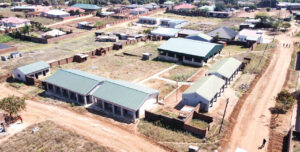
He adds that the council is working in roads, health and education. One of the projects includes a health centre, the first phase of which has been completed.
For the people of Mumde, the results of this progress are perhaps not measured in policies or reports but in daily life.
And today, Makolongwe River still flows, strong and steady, but it no longer divides.
It runs peacefully under a bridge that has restored connection to a village and neighbouring settlements that were once cut off from the world.