By Wezzie Gausi:
Malawi has rolled out a nationwide measles-rubella supplementary vaccination campaign targeting children aged between nine months and nine years, with a positive start recorded at Bwaila Hospital in Lilongwe.
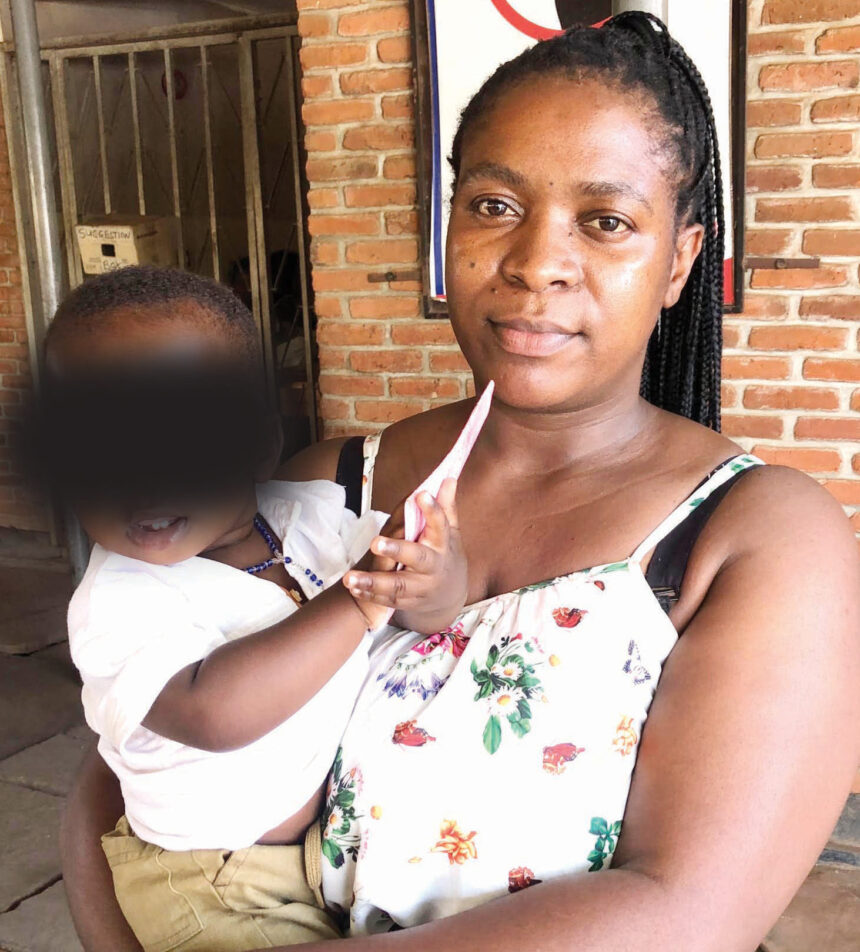
When The Daily Times crew visited the hospital Monday, it found women and other guardians bringing their children for vaccination.
The five-day campaign, which started on September 21 and runs until September 25, is being conducted across the country.
One of the parents who brought her child for vaccination, Grace Kanthu from Mchesi in Lilongwe, said parents should take vaccination programmes seriously.
- Advertisement -
“Vaccination is important for our children because it protects them from diseases. I would encourage my fellow women and other guardians to make sure that they take their children for vaccination whenever such programmes are available,” Kanthu said.
Bwaila Hospital Public Relations Officer Richard Mvula said the facility was encouraged by the response from parents and guardians on the first day of the campaign.
“We are happy with the turnout we have seen. We are encouraging parents and guardians to use this period wisely and bring all eligible children for vaccination,” Mvula said.
Health rights advocate Maziko Matemba commended the government for conducting the supplementary vaccination campaign.
- Advertisement -
- Advertisement -
“This is a good initiative for Malawian children because vaccination protects them from preventable diseases.
“However, publicity is very important in such activities,” Matemba said.
According to the Ministry of Health and Sanitation, the measles-rubella vaccine is being administered to children aged nine months to nine years, while children aged six to 59 months are also receiving Vitamin A supplements.
Vaccination services are available at health facilities, outreach clinics, schools, traditional centres, churches and early childhood centres nationwide.
Measles is a highly contagious viral disease that can cause serious complications, particularly among young children, while rubella infection during pregnancy can pose serious risks to an unborn child