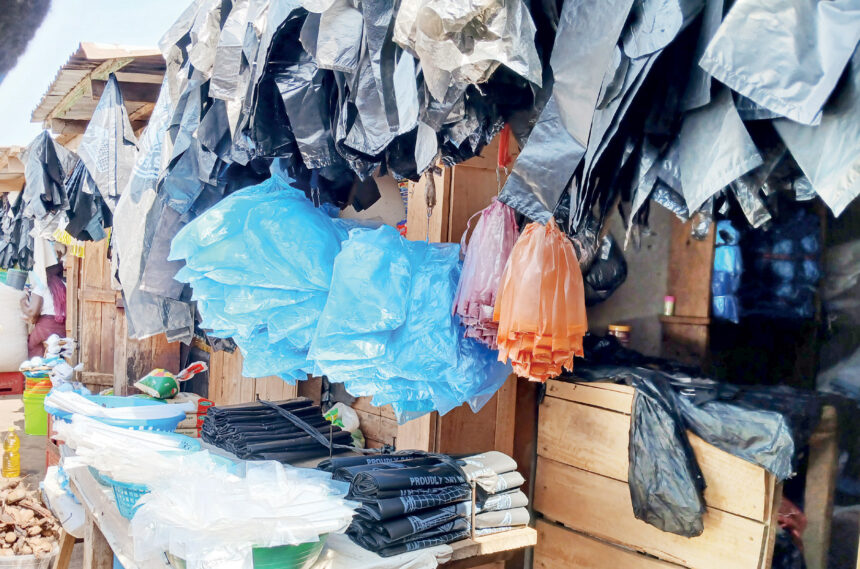
Some faith-based organisations and environmental campaigners have called on Malawians to take greater responsibility for protecting the environment by rejecting the use of thin plastics and embracing eco-friendly alternatives.
This week, the Malawi Environmental Protection Authority shut down companies still manufacturing thin plastics in the country despite a ban on the same being in place.

creation
Speaking in an interview, Tearfund Malawi Director Vincent Moyo urged citizens to lead the way in reducing plastic pollution by switching to recyclable and biodegradable alternatives such as paper and cloth bags.
Tearfund is a Christian international development and humanitarian organisation with a mission to alleviate poverty, respond to disasters and work for social and environmental justice.
“As a faith-based organisation, we believe we are stewards of God’s creation. That is why we are committed to addressing this issue with urgency.
- Advertisement -
“We need to be responsible, take ownership of our environment and stop using plastic. As long as we continue to demand plastic, companies will keep producing it,” Moyo said.
He added that while the government has banned thin plastic, enforcement remains weak and that a collective national effort is needed.
“This should be a responsibility for all of us; not just security agencies. Every Malawian must play a role. We can also learn from other countries like Tanzania, where thin plastic bans are strictly enforced.
“They have even introduced tax incentives on biodegradable bags to make them more affordable than plastic,” Moyo said.
- Advertisement -
- Advertisement -
On his part, Malawi Creation Care Network Coordinator Charles Bakolo described recent progress towards enforcement of the thin plastic ban as encouraging.
“It takes time and involves many processes but this is a good start. The faith community is actively engaged because we have the mandate and the structures to advocate for environmental protection,” Bakolo said.
He underscored the need for stronger legal frameworks and political will, especially from lawmakers and aspiring political leaders ahead of the next elections.
“We need our parliamentarians to push for stronger laws with punitive measures. We also want those aspiring for leadership to commit publicly to how they will address the plastic pollution crisis. This is not a one-day fight, but we believe we will eventually win this battle,” Bakolo said.
Malawi officially banned the production, distribution and use of thin plastics, defined as those less than 60 microns thick, in 2015, but enforcement remained inconsistent until earlier this year, when a court order lifted an injunction that had been preventing implementation.